
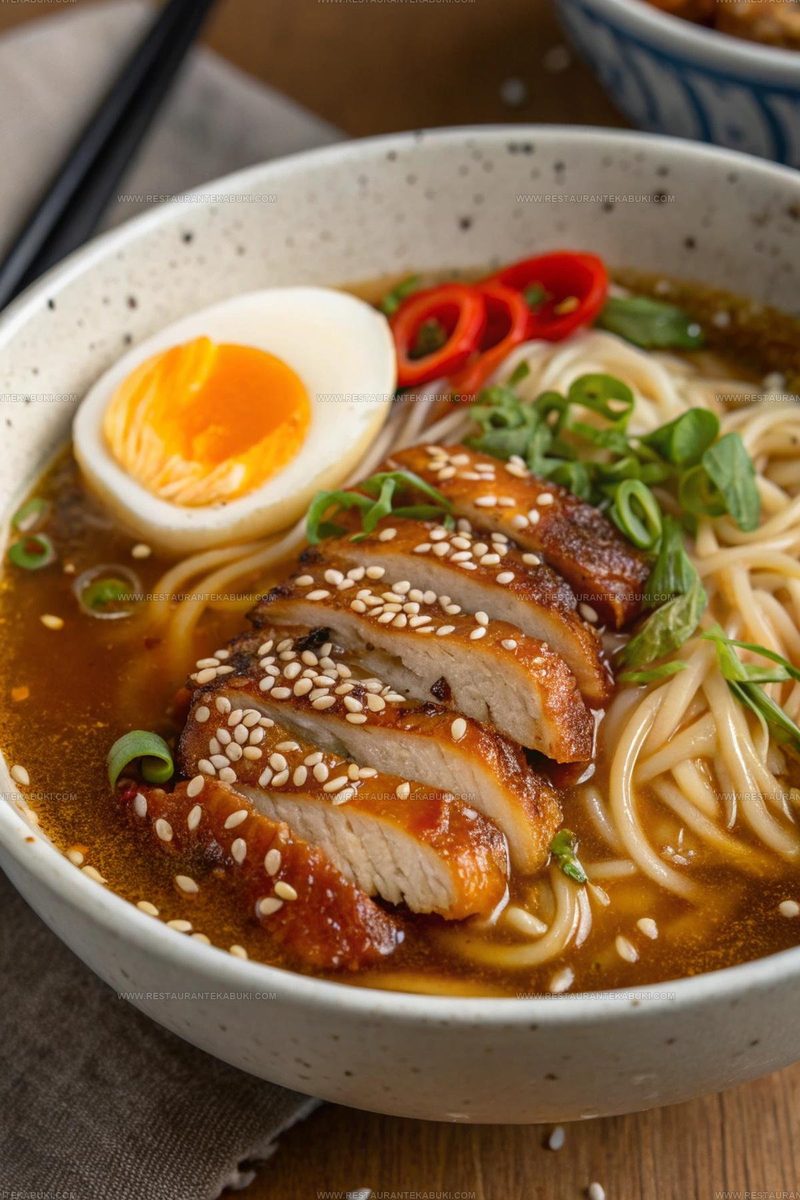
Teriyaki Chicken Ramen Recipe for Comforting Japanese Bowls

Teriyaki chicken ramen combines two beloved Japanese flavors in one satisfying bowl that feels both comforting and exciting.
When hunger strikes and only something warm and flavorful will do, this meal delivers on every level without requiring hours in the kitchen.
The sweet-savory notes pair beautifully with tender noodles, creating a restaurant-worthy experience at home for less than what takeout would cost.
It's a weeknight winner that also impresses when company comes over, proving that homemade bowls can rival what restaurants serve.
Busy schedules become easier to manage when such a delicious option takes minimal effort to prepare.
The flavors meld into something truly special that satisfies cravings while keeping things simple enough for any night of the week.
Make tonight the night you finally enjoy homemade ramen that tastes as amazing as it looks.
The Story Behind Teriyaki Chicken Ramen
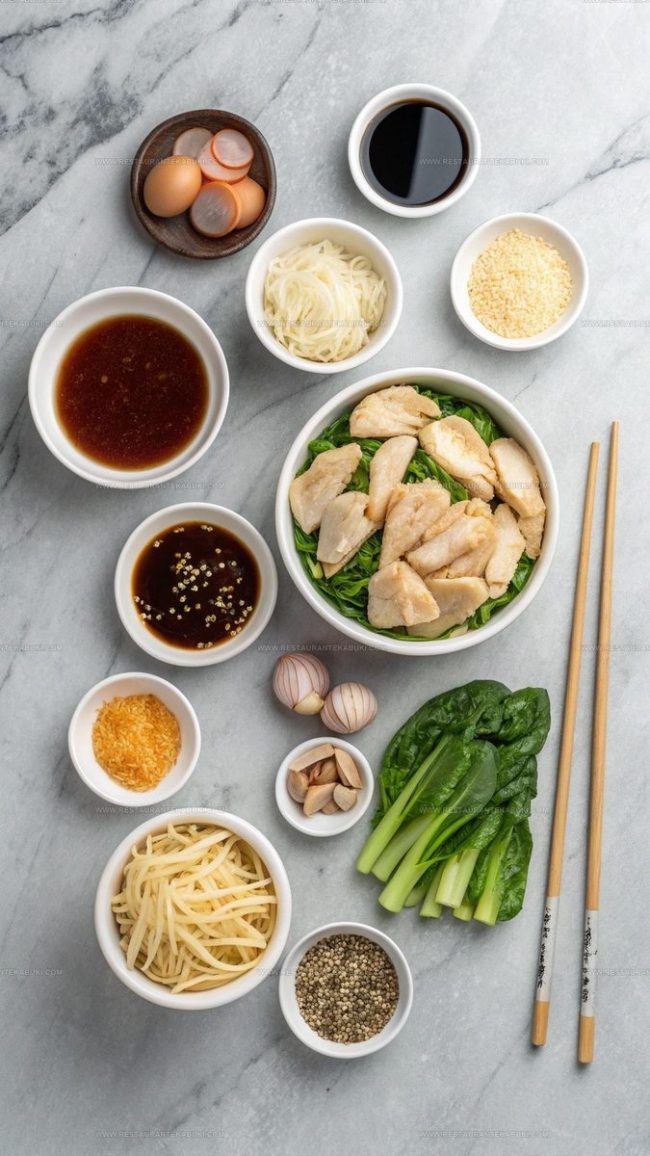
Which Ingredients Need Setting Aside for Teriyaki Chicken Ramen
Protein And Main Components:Sauce And Aromatics:Broth And Vegetables:Must Have Tools For Teriyaki Chicken Ramen
Quick Cooking Method For Teriyaki Chicken Ramen
Make The Teriyaki Marinade
Mix together the following ingredients in a bowl and whisk until the brown sugar fully dissolves:
Marinate The Chicken
Coat your 1 1/2 pounds of boneless skinless chicken thighs thoroughly in the marinade and place them in the refrigerator for at least 15 minutes, though up to 2 hours works even better if your schedule allows.
Cook The Chicken
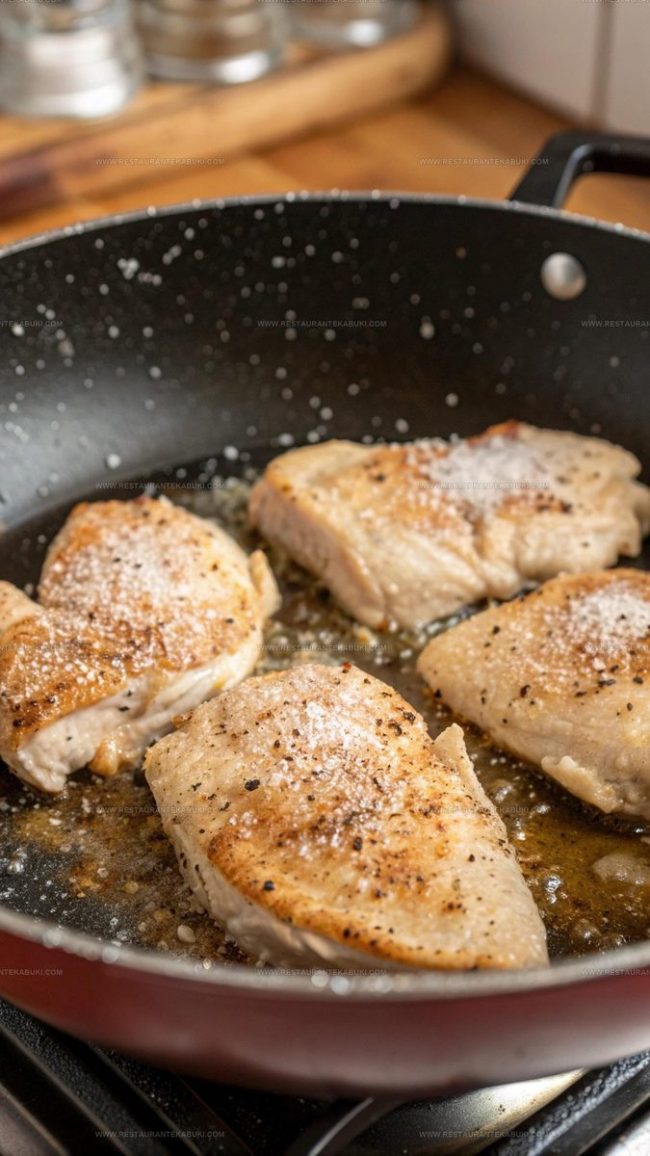
Heat 1 tablespoon neutral oil in a large skillet over medium-high heat until it shimmers, then add your marinated chicken and cook for 5 to 6 minutes per side at 375°F until the outside turns golden brown and the chicken cooks through completely.
Set the remaining marinade aside.
Rest And Slice The Chicken
Transfer your cooked chicken to a cutting board and let it sit for 3 minutes so the juices settle, then slice it into strips of whatever thickness feels right to you.
Thicken The Glaze
Pour the reserved marinade into the same skillet over medium heat and bring it to a simmer at 212°F for 1 minute. In a separate small cup, whisk together 1 tablespoon cornstarch and 1 tablespoon water, then stir this mixture into your simmering marinade and cook for 1 to 2 minutes at 212°F until the glaze becomes thick and glossy.
Coat The Chicken
Add your sliced chicken strips to the teriyaki glaze and toss everything gently so each piece gets an even coating.
Start The Broth Base
Heat 1 tablespoon neutral oil in a large pot over medium heat, then add 3 minced garlic cloves and 1 tablespoon minced fresh ginger.
Stir constantly for 1 to 2 minutes at 350°F until the mixture becomes fragrant without browning.
Build The Broth
Pour the following into your pot and bring everything to a gentle boil at 212°F, then reduce the heat to keep it simmering for 10 minutes:
Add The Noodles And Sesame Oil
Stir 2 teaspoons sesame oil into your broth at 180°F, then add 4 packs of ramen noodles and cook for 3 to 4 minutes at 212°F following the package directions until the noodles reach the tenderness your prefer.
Add The Vegetables
During the last 2 minutes of cooking at 180°F, stir in 2 cups chopped baby spinach or bok choy and 1 cup shredded carrots so they soften gently without becoming mushy.
Assemble The Bowls
Ladle equal portions of your noodles, vegetables, and broth into 4 bowls, then distribute your teriyaki chicken strips evenly among them.
Top each bowl with 2 soft-boiled egg halves, sliced green onions, and 1 tablespoon toasted sesame seeds. Serve everything while it’s hot.
What Are Key Cooking Tips For Teriyaki Chicken Ramen
Flavor Options For Teriyaki Chicken Ramen
How to Serve Teriyaki Chicken Ramen with Bold Flavors
Simple Storage Guide For Teriyaki Chicken Ramen
FAQs
Can I use chicken breasts instead of thighs?
Chicken thighs work better because they stay juicy and tender when cooked, but breasts can work if that’s what you have; just watch them carefully so they don’t dry out, and reduce the cooking time by a minute or two per side.
What if I don’t have mirin?
Brown sugar mixed with a splash of water creates a similar sweet flavor, or honey works too; just use about the same amount.
Do I need to marinate the chicken for the full 2 hours?
No, 15 minutes gives enough flavor for your dish, though longer marinating makes the chicken taste even better if you have time.
Can I make the broth ahead of time?
Yes, prepare the broth up to the point before adding noodles, then reheat it gently when you’re ready to cook; this actually helps the flavors blend better.
How do I know when my soft-boiled eggs are done?
Boil them for 6-7 minutes total, then transfer to ice water right away so the yolk stays runny in the center while the white sets.
Is sesame oil necessary?
It adds a nice nutty flavor, but if you don’t have it, the dish still tastes delicious without it.
Teriyaki Chicken Ramen Recipe
- Total Time: 38-41 minutes
- Yield: 4 1x
Description
Making teriyaki chicken ramen brings together chewy noodles, tender chicken glazed in a sweet and savory sauce, and a rich broth that ties everything together in one satisfying bowl. Your homemade version tastes fresher than takeout and comes together faster than you’d expect with simple ingredients and straightforward steps.
Ingredients
Protein and Main Components:
- 1.5 pounds boneless skinless chicken thighs
- 4 packs ramen noodles (discard seasoning packets)
- 4 soft-boiled eggs, halved
Sauce and Aromatics:
- 0.25 cup soy sauce
- 3 tablespoons mirin
- 2 tablespoons brown sugar, packed
- 1 tablespoon rice vinegar
- 2 teaspoons sesame oil
- 2 cloves garlic, minced
- 1 teaspoon fresh ginger, grated
- 1 tablespoon cornstarch
- 1 tablespoon water
- 1 tablespoon neutral oil (canola or vegetable)
- 3 cloves garlic, minced
- 1 tablespoon fresh ginger, minced
- 2 teaspoons sesame oil
Broth and Vegetables:
- 6 cups low-sodium chicken broth
- 2 tablespoons soy sauce
- 1 tablespoon mirin
- 2 cups baby spinach or bok choy, roughly chopped
- 1 cup shredded carrots
- 3 green onions, thinly sliced
- 1 tablespoon toasted sesame seeds
Instructions
- Combine 1/4 cup soy sauce, 3 tablespoons mirin, 2 tablespoons packed brown sugar, 1 tablespoon rice vinegar, 2 teaspoons sesame oil, 2 minced garlic cloves, and 1 teaspoon grated ginger in a bowl and whisk together until the sugar dissolves.
- Place your 1 1/2 pounds of boneless skinless chicken thighs into the marinade, coating them well, and refrigerate for at least 15 minutes or up to 2 hours.
- Heat 1 tablespoon neutral oil in a large skillet over medium-high heat until shimmering, then add your marinated chicken and cook 5-6 minutes per side at 375°F until golden brown and cooked through, reserving the remaining marinade.
- Transfer your cooked chicken to a cutting board and let it rest for 3 minutes, then slice it into strips.
- Return the reserved marinade to the same skillet over medium heat and bring it to a simmer at 212°F for 1 minute.
- Whisk 1 tablespoon cornstarch with 1 tablespoon water in a small cup, then stir this mixture into your simmering marinade and cook for 1-2 minutes at 212°F until the glaze thickens and becomes glossy.
- Add your sliced chicken to the teriyaki glaze, tossing gently to coat all pieces evenly.
- Heat 1 tablespoon neutral oil in a large pot over medium heat, then add 3 minced garlic cloves and 1 tablespoon minced fresh ginger, stirring constantly for 1-2 minutes at 350°F until fragrant but not browned.
- Pour in 6 cups low-sodium chicken broth, 2 tablespoons soy sauce, and 1 tablespoon mirin, then bring the mixture to a gentle boil at 212°F and reduce heat to maintain a simmer for 10 minutes.
- Stir 2 teaspoons sesame oil into your broth at 180°F, then add 4 packs of ramen noodles and cook for 3-4 minutes at 212°F according to package directions until tender.
- Add 2 cups chopped baby spinach or bok choy and 1 cup shredded carrots to your pot during the last 2 minutes of cooking at 180°F to gently soften them.
- Ladle your noodles, vegetables, and broth into 4 bowls in equal portions.
- Distribute your teriyaki chicken strips evenly among your bowls, then top each with 2 soft-boiled egg halves, sliced green onions, and 1 tablespoon toasted sesame seeds.
- Serve your ramen hot in bowls.
Notes
- Don’t skip marinating the chicken; even 15 minutes makes a difference in flavor, though 2 hours in the fridge gives you the deepest taste.
- Let your cooked chicken rest for a few minutes before slicing so the juices stay inside the meat instead of running onto your cutting board.
- If your teriyaki sauce seems thin, the cornstarch slurry thickens it nicely and gives it that glossy restaurant-style finish.
- Keep the broth at a gentle simmer rather than a rolling boil so your noodles don’t turn mushy and your vegetables stay tender, not overdone.
- For a vegetarian version, swap the chicken for tofu or extra vegetables, and use vegetable broth instead of chicken broth in the base.
- Add the spinach and carrots in the last couple minutes so they keep some texture instead of becoming soft and wilted.
- Prep Time: 15 minutes (including marinating)
- Cook Time: 23-26 minutes
- Category: Sautéed Chicken
- Method: Sautéing
- Cuisine: Japanese
Nutrition
- Serving Size: 4
- Calories: 685 kcal
- Sugar: 12 g
- Sodium: 1100 mg
- Fat: 30 g
- Saturated Fat: 7 g
- Unsaturated Fat: 20 g
- Trans Fat: 0.2 g
- Carbohydrates: 55 g
- Fiber: 4 g
- Protein: 45 g
- Cholesterol: 185 mg
Kaiden Poole
Co-Founder & Culinary Story Specialist
Expertise
Global Cuisine Inspiration, Cooking Techniques, Cross-Culture Fusion, Food Trends & Recipe Innovation, Flavor Storytelling, Food Writing, Creative Seasonal Menus
Education
- Program: Culinary Arts Certificate (Professional Cook 1 & 2)
- Focus: Fundamental kitchen techniques, food safety, menu planning, and real-world kitchen experience.
Online Gastronomy & Food Culture Courses (Various Platforms)Kaiden Poole brings global influence and culinary storytelling to the team. Based in Vancouver, BC, he earned his Culinary Arts Certificate from Vancouver Island University and expanded his knowledge through studies in gastronomy, nutrition, and sustainability. He focuses on cross-cultural flavors and creative fusion, crafting recipes that make international cuisine accessible to home cooks. For Kaiden, food is about curiosity, creativity, and connection around the table.