
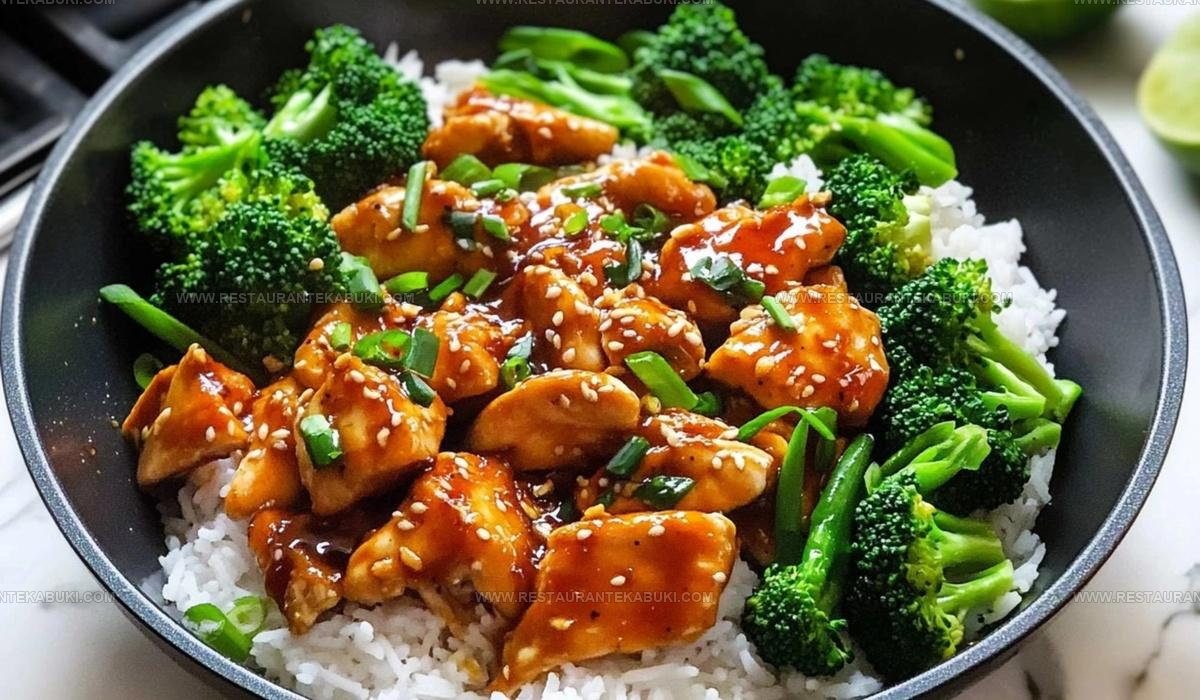
Spicy Korean Chicken Recipe That Awakens Your Taste Buds

Spicy Korean chicken recipe delivers bold, fiery flavors that have made it a beloved comfort food across the globe.
It's ideal for weeknight dinners when you crave something exciting, or for casual gatherings where you want to impress without spending hours in the kitchen.
The balance of heat and savory notes creates an addictive quality that keeps everyone coming back for more.
You can adjust the spice level to suit different preferences, making it versatile enough for any occasion.
It pairs beautifully with rice, noodles, or fresh vegetables for a satisfying meal.
The dish comes together quickly, proving that bold flavor doesn't require complicated techniques.
The Perks Of Making Spicy Korean Chicken
What Ingredients Should Start Spicy Korean Chicken
Protein Base:The Sauce:Sides And Garnishes:Which Tools Fit Spicy Korean Chicken
Follow Steps For Spicy Korean Chicken
Marinate Your Chicken
Cut 1 lb of chicken breast fillets into strips about ½ inch thick. In a bowl, combine these ingredients for your marinade:
Add your chicken strips to the bowl and toss everything together so each piece gets coated.
Let the chicken sit in this mixture for about 10 minutes while the flavors start to sink in.
Prepare Your Sauce
In a separate small bowl, whisk together these elements:
Stir until smooth and set this aside.
The sauce comes together quickly, so having it ready before the cooking begins makes the next part easier.
Steam Your Rice and Broccoli
Get your steamed rice and steamed broccoli started now so they finish around the same time as your chicken.
Both should take about 15-20 minutes depending on your method.
Heat Your Oil and Cook the Chicken
Pour 3 tbsp of vegetable oil into a large skillet over medium-high heat.
Once the oil shimmers, carefully add your marinated chicken strips in a single layer. Let each piece cook without moving it around for about 3-4 minutes until the bottom turns golden.
Then flip the strips and cook the other side for another 3-4 minutes until the chicken is cooked through.
Coat with Sauce
Pour your prepared sauce over the cooked chicken in the skillet.
Stir everything together and let it cook for 1-2 minutes at medium heat. The sauce will glaze the chicken nicely and the flavors will blend together.
Plate and Finish
Divide your steamed rice between serving plates and place the glazed chicken on top. Arrange the steamed broccoli on the side.
Sprinkle chopped peanuts if you like them, add a few sliced green onions for freshness, and place a lime wedge on each plate for squeezing over the top.
Spicy Korean Chicken Cooking Notes For Success
Which Variations Work Well for Spicy Korean Chicken?
Creative Ways To Plate Spicy Korean Chicken
The Right Storage Approach for Spicy Korean Chicken
FAQs
Can I use frozen chicken for this recipe?
Thaw your chicken completely before marinating so it cooks evenly and absorbs the flavors properly. Frozen chicken won’t marinate well and takes longer to cook through.
What if I don’t have gochujang?
Sriracha or red chili paste works as a substitute, though the flavor will be slightly different. Use the same amount and adjust the heat level to your taste.
How spicy will this dish be?
The heat comes mainly from gochujang and fresh chili. Start with less chili if your family prefers milder food, then add more next time based on how it tastes.
Can I prep this ahead of time?
Marinate the chicken the night before and keep it in the fridge. This actually makes the flavors stronger, so your dish tastes even better when you cook it.
What type of chicken works best?
Boneless, skinless chicken breasts cook fastest for this recipe. Thighs work too but need a few extra minutes since they’re thicker.
Do I need a special pan?
A regular skillet or non-stick pan works fine. Just make sure it’s large enough so the chicken sits in a single layer and cooks evenly.
Spicy Korean Chicken Recipe
- Total Time: 30 minutes
- Yield: 4 1x
Description
Easy 30 minute spicy Korean chicken comes together quickly when you toss chicken pieces in a gochujang sauce, then simmer everything until the flavors meld and the chicken cooks through. Your weeknight dinner table gets a real treat with tender meat coated in that sweet, spicy, savory glaze that tastes like you spent hours in the kitchen.
Ingredients
Protein:
- 1 lb chicken breast fillets, cut into strips
Sauce and Seasonings:
- 3 tablespoons vegetable oil, divided
- 2 tablespoons soy sauce
- 2 tablespoons sriracha
- 1 tablespoon honey
- 1 tablespoon minced ginger
- 1 tablespoon minced garlic
- 1 teaspoon chili powder
- 0.5 teaspoon cornstarch
Serving Components:
- 1 cup steamed rice
- 1 cup steamed broccoli
- 0.25 cup chopped peanuts
- 1 lime, cut into wedges
- 0.25 cup sliced green onions
Instructions
- Mix together 2 tbsp soy sauce, 2 tbsp sriracha, 1 tbsp honey, 1 tbsp minced ginger, 1 tbsp minced garlic, and 1 tsp chili powder in a bowl until everything combines smoothly.
- Add your 1 lb of chicken breast strips to the sauce and toss to coat evenly, then let them sit for 5 minutes while you prep everything else.
- Dust your marinated chicken pieces with ½ to 1 tsp cornstarch, coating each strip lightly on all sides.
- Heat 2 tbsp of vegetable oil in a large skillet over medium-high heat at 375°F for about 2 minutes until it shimmers.
- Place your cornstarch-coated chicken into the hot oil and cook for 6 to 7 minutes, stirring occasionally, until the pieces turn golden brown and cooked through.
- Pour any remaining sauce from your bowl over the cooked chicken and stir everything together for 1 to 2 minutes until the sauce coats and clings to each piece.
- Transfer your finished chicken to a serving plate while you quickly warm your steamed rice and broccoli on the stovetop.
- Divide your rice among serving bowls and top each portion with the spicy chicken and its sauce.
- Arrange your steamed broccoli alongside the rice, then garnish your dish with lime wedges, sliced green onions, and chopped peanuts if you’re using them.
Notes
- Pat your chicken dry before marinating so the sauce clings better and the meat cooks more evenly.
- The gochujang paste is spicy, but if your family prefers milder food, start with half the amount and add more once you taste it.
- For a vegetarian version, swap the chicken for extra-firm tofu or thick mushroom slices, though they need less cooking time, so add them toward the end.
- Keep your heat at medium-high rather than maxing it out, since high heat can burn the sauce and make the chicken tough on the outside while it’s still raw inside.
- Serve your chicken over steamed rice or with crispy lettuce leaves for wrapping, both of which help balance the heat nicely.
- Prep Time: 10 minutes
- Cook Time: 20 minutes
- Category: Sautéed Chicken
- Method: Sautéing
- Cuisine: Korean
Nutrition
- Serving Size: 4
- Calories: 267 kcal
- Sugar: 7 g
- Sodium: 470 mg
- Fat: 14 g
- Saturated Fat: 2 g
- Unsaturated Fat: 12 g
- Trans Fat: 0 g
- Carbohydrates: 11 g
- Fiber: 1 g
- Protein: 28 g
- Cholesterol: 70 mg
Kaiden Poole
Co-Founder & Culinary Story Specialist
Expertise
Global Cuisine Inspiration, Cooking Techniques, Cross-Culture Fusion, Food Trends & Recipe Innovation, Flavor Storytelling, Food Writing, Creative Seasonal Menus
Education
- Program: Culinary Arts Certificate (Professional Cook 1 & 2)
- Focus: Fundamental kitchen techniques, food safety, menu planning, and real-world kitchen experience.
Online Gastronomy & Food Culture Courses (Various Platforms)Kaiden Poole brings global influence and culinary storytelling to the team. Based in Vancouver, BC, he earned his Culinary Arts Certificate from Vancouver Island University and expanded his knowledge through studies in gastronomy, nutrition, and sustainability. He focuses on cross-cultural flavors and creative fusion, crafting recipes that make international cuisine accessible to home cooks. For Kaiden, food is about curiosity, creativity, and connection around the table.