
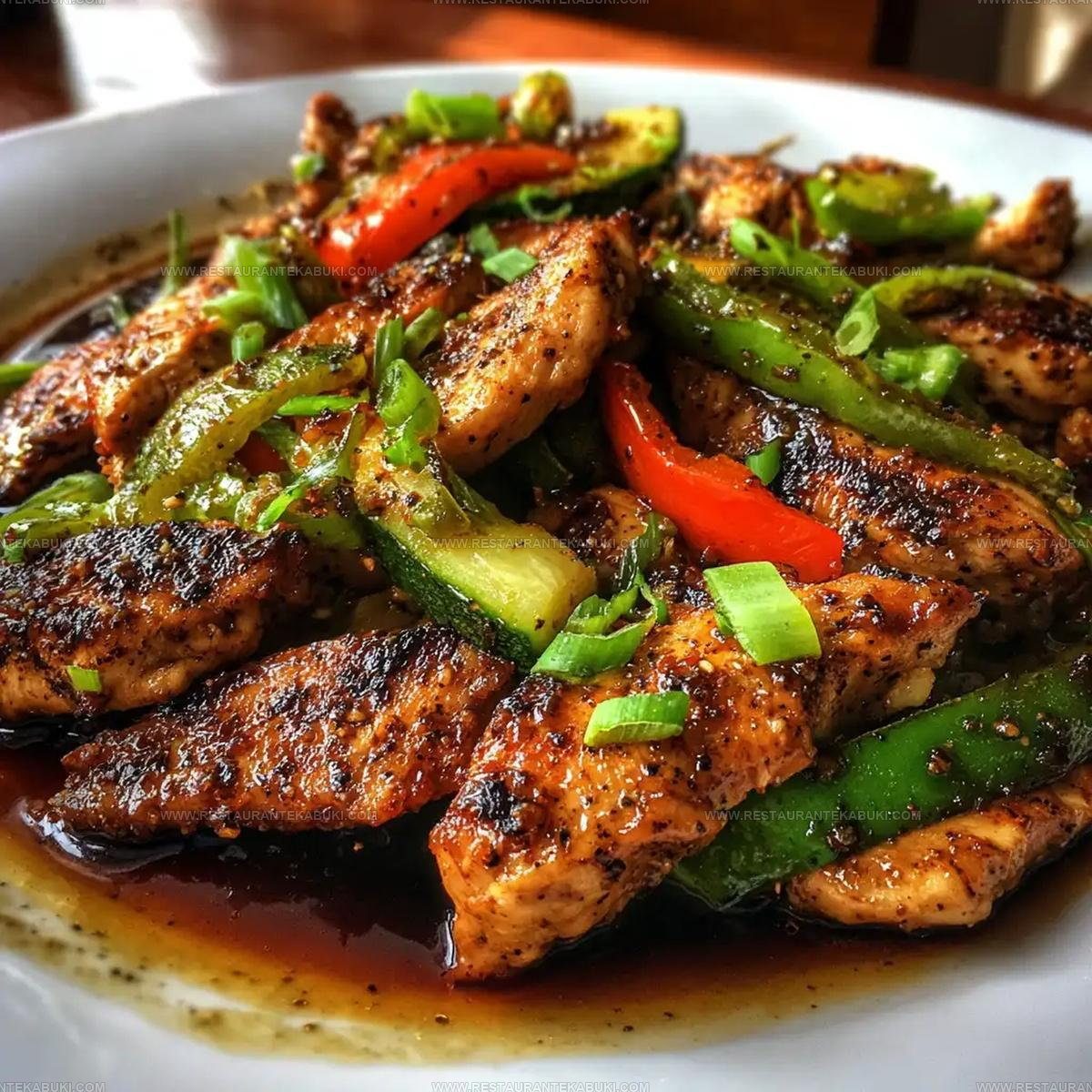
Quick Savory Hibachi Chest Recipe for Dinner

Savory hibachi chicken fans know that restaurant-style Japanese cooking can happen right in your own kitchen with minimal fuss and maximum flavor.
The smoky, umami-rich taste profile makes it a weeknight winner that feels special enough for company.
Families love how quickly everything comes together on a hot surface, creating that signature seared exterior everyone craves.
You can easily adapt the proportions to feed a crowd or scale down for a quiet dinner.
The interactive cooking style makes mealtime fun and engaging for everyone at the table.
Bold seasonings combine with high heat to produce results that rival your favorite steakhouse.
Stop ordering takeout when homemade versions taste better and cost half the price.
Why You’ll Love the Simplicity of Hibachi Chicken
What Ingredients Go Into Hibachi Chicken
Main Protein:Marinade And Seasonings:Vegetables And Finishing Touches:Hibachi Chicken Tool List
Step By Step Instructions For Hibachi Chicken
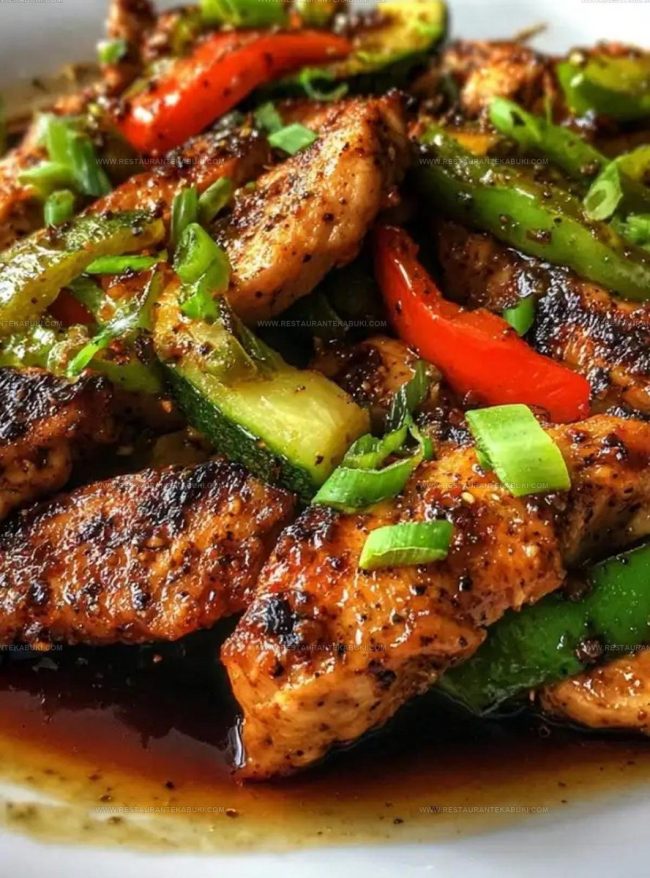
Marinate The Chicken
Combine your chicken pieces with the marinade ingredients:
Stir everything together so the chicken gets coated evenly. Cover your bowl and place it in the refrigerator for at least 30 minutes to let those flavors soak in.
Prep Your Vegetables
Rinse your bell peppers under cold water and slice them into strips about 1/4 inch thick. Take your zucchini and cut it into similar-sized pieces so everything cooks at the same pace.
Chop your green onions into 1-inch pieces, keeping the white parts separate from the green tops since they go in at different times.
Heat Your Cooking Surface
Pour 2 tablespoons of vegetable oil into your skillet or wok and set the heat to medium-high.
Let the oil get hot for about 1-2 minutes until it shimmers and moves easily across the pan. Your cooking surface is ready when a piece of chicken sizzles immediately when it touches the pan.
Cook The Chicken
Carefully add your marinated chicken to the hot oil, spreading it out in a single layer. Let each piece sit undisturbed for about 2-3 minutes so it develops a nice golden color on the bottom.
Stir and flip the pieces around, cooking for another 4-5 minutes total until the chicken is cooked all the way through with no pink in the center.
Add The White Parts Of Green Onions And Peppers
Toss the white parts of your green onions and the sliced red and yellow bell peppers into the skillet with the chicken.
Keep everything moving around in the pan for about 2 minutes so the peppers start to soften slightly.
Finish Cooking With Zucchini
Add your sliced zucchini to the pan and continue stirring everything together.
Cook for another 2-3 minutes until the zucchini has some color but still feels slightly firm when touched with a fork.
Season And Finish
Taste what’s in your skillet and sprinkle salt and pepper over everything according to your preference.
Toss in the green parts of your green onions and give everything one final stir. Transfer your hibachi chicken to serving plates and sprinkle sesame seeds on top if that appeals to you.
Handy Notes For Making Hibachi Chicken
Flavor Swaps For Hibachi Chicken
How To Enjoy Hibachi Chicken
Clever Storage Tips For Hibachi Chicken
FAQs
Can I use a regular pan instead of a wok?
Yes, a regular skillet works fine for this dish. The key is having enough space to move everything around without crowding the pan.
How do I know when the chicken is cooked through?
Cut into the thickest piece – the inside should be white with no pink. The juices should also run clear when pierced.
What if I don’t have sesame oil?
You can skip it or use a little vegetable oil instead. The marinade still tastes great without it, though you’ll miss that nutty flavor.
Should I cut the chicken into specific sizes?
Cut the pieces into bite-sized chunks or thin strips so they cook evenly and quickly alongside your vegetables.
Can I prep the vegetables ahead of time?
Yes, chop everything in advance and store it in containers. This makes cooking faster when you’re ready to make dinner.
Why is my chicken tough?
Overcooking is usually the cause. Once it’s cooked through, remove it from heat right away. Marinating also helps keep the meat tender.
Savory Hibachi Chicken Recipe
- Total Time: 45 minutes
- Yield: 4 1x
Description
Savory hibachi chicken brings that sizzling restaurant experience right to your stovetop with tender pieces cooked in a hot pan alongside vegetables and a touch of soy sauce. Your dinner table becomes the stage for this interactive meal where you can watch everything cook together and enjoy restaurant-quality flavors at home.
Ingredients
Main Ingredients:
- 1 pound chicken breast, cut into bite-sized pieces
- 1/4 cup soy sauce
- 2 tablespoons sesame oil
Aromatics and Seasonings:
- 3 cloves garlic, minced
- 1 tablespoon ginger, minced or grated
- 4 green onions, chopped (white and green parts separated)
- Salt and pepper to taste
Vegetables and Garnish:
- 1 medium red bell pepper, sliced
- 1 medium yellow bell pepper, sliced
- 1 medium zucchini, sliced
- 2 tablespoons vegetable oil for cooking
- Sesame seeds for garnish (optional)
Instructions
- Combine your 500 grams of chicken breast pieces with 60 milliliters of soy sauce, 3 minced garlic cloves, 1 tablespoon of ginger, and 2 tablespoons of sesame oil in a bowl. Let this sit for at least 30 minutes so the flavors soak in.
- While your chicken marinates, wash and slice your 1 medium red bell pepper and 1 medium yellow bell pepper into strips, then slice your 1 medium zucchini, and chop your 4 green onions so the white and green parts stay separate.
- Pour 2 tablespoons of vegetable oil into your skillet or wok and heat it to medium-high temperature until it shimmers.
- Transfer your marinated chicken into the hot skillet and cook for 5 to 7 minutes, stirring occasionally, until the pieces brown on all sides and cook through completely.
- Push your cooked chicken to the side of the skillet and add the white parts of your green onions to the empty space.
- Add your sliced bell peppers and zucchini to the skillet and stir everything together for 3 to 4 minutes at medium-high heat until the vegetables soften slightly but keep their texture.
- Toss your cooked chicken back into the vegetable mixture and season with salt and pepper to suit your taste, then serve it hot right from the skillet.
- Sprinkle sesame seeds over the top if that sounds good to you, along with the green parts of your chopped green onions for fresh color and flavor.
Notes
- Let your chicken sit in the marinade for at least 30 minutes so the flavors have time to soak in, though leaving it overnight in the fridge works even better.
- Keep your heat at medium-high rather than cranking it to high, since this gives the chicken time to cook through without burning the outside.
- Slice your vegetables into similar sizes so they cook at the same rate and everything finishes tender at the same time.
- If you’re cooking for someone avoiding soy sauce, tamari or coconut aminos swap in perfectly and give you that same salty, umami depth without changing how the dish turns out.
- Prep Time: 35 minutes
- Cook Time: 10 minutes
- Category: Sautéed Chicken
- Method: Sautéing
- Cuisine: Japanese
Nutrition
- Serving Size: 4
- Calories: 234 kcal
- Sugar: 2 g
- Sodium: 850 mg
- Fat: 14 g
- Saturated Fat: 2 g
- Unsaturated Fat: 10 g
- Trans Fat: 0 g
- Carbohydrates: 7 g
- Fiber: 2 g
- Protein: 28 g
- Cholesterol: 70 mg
Kaiden Poole
Co-Founder & Culinary Story Specialist
Expertise
Global Cuisine Inspiration, Cooking Techniques, Cross-Culture Fusion, Food Trends & Recipe Innovation, Flavor Storytelling, Food Writing, Creative Seasonal Menus
Education
- Program: Culinary Arts Certificate (Professional Cook 1 & 2)
- Focus: Fundamental kitchen techniques, food safety, menu planning, and real-world kitchen experience.
Online Gastronomy & Food Culture Courses (Various Platforms)Kaiden Poole brings global influence and culinary storytelling to the team. Based in Vancouver, BC, he earned his Culinary Arts Certificate from Vancouver Island University and expanded his knowledge through studies in gastronomy, nutrition, and sustainability. He focuses on cross-cultural flavors and creative fusion, crafting recipes that make international cuisine accessible to home cooks. For Kaiden, food is about curiosity, creativity, and connection around the table.