
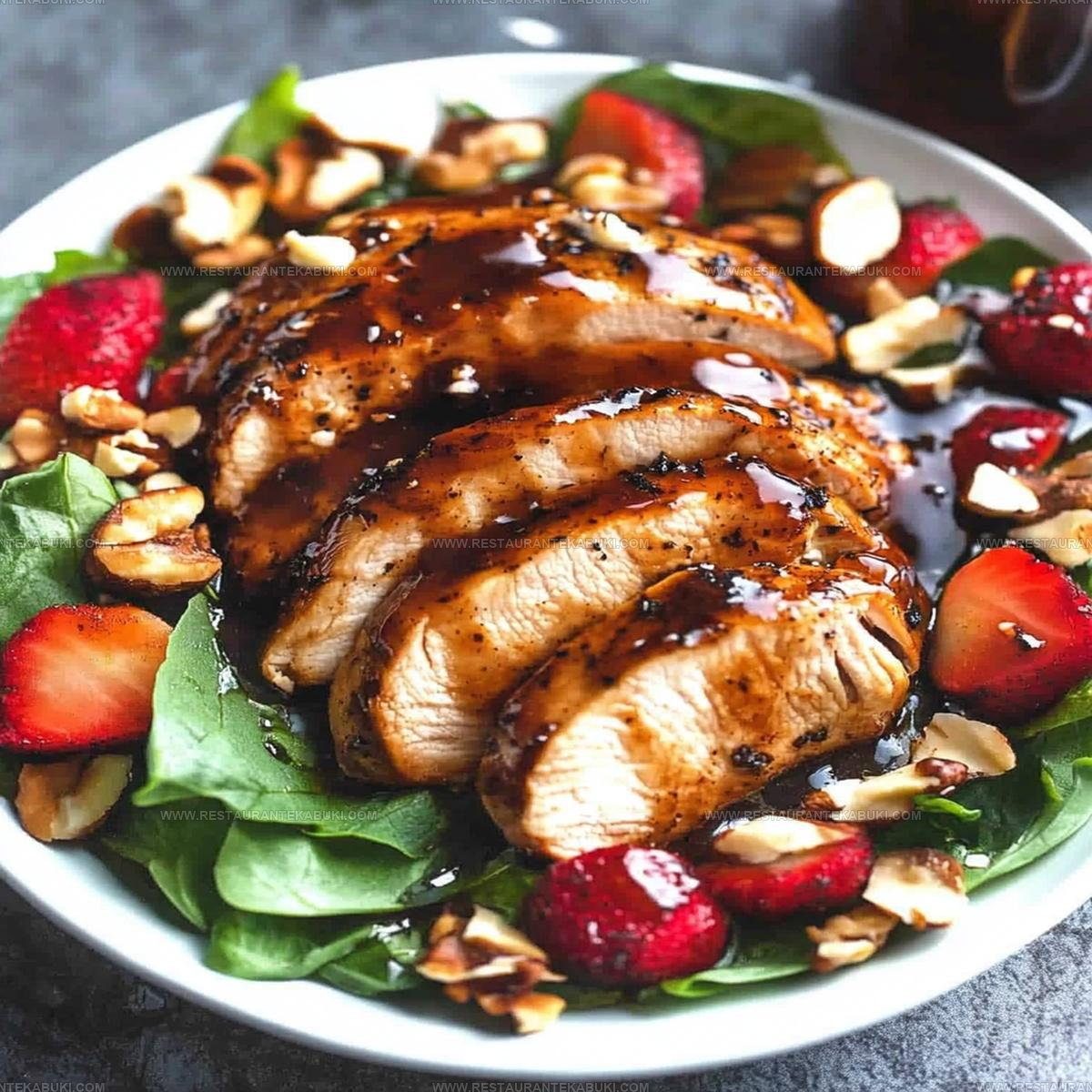
Balsamic Chicken Recipe for Weeknight Dinners at Home

Savory balsamic chicken recipe options prove that weeknight dinners can be both effortless and impressive.
The combination of bold flavors creates a meal that feels special without requiring hours in the kitchen.
Families love how quickly everything comes together, making it perfect for busy evenings when time is limited.
The rich, complex taste profile appeals to adults while remaining approachable enough that even picky eaters ask for seconds.
You can serve it alongside countless side dishes, from simple greens to hearty grains, depending on what sounds good.
Home cooks appreciate how forgiving and flexible it is, delivering consistent results every single time.
Comfort food doesn't have to mean complicated, and some meals prove that simple preparation can yield truly memorable flavors.
Pull up the full instructions below and see just how satisfying a straightforward weeknight meal can be.
Why Balsamic Chicken Is Always a Good Idea
Items to Prepare Before Making Balsamic Chicken
Main Ingredients:Seasonings:Prep Tools for a Smooth Balsamic Chicken Process
Step By Step Instructions For Balsamic Chicken
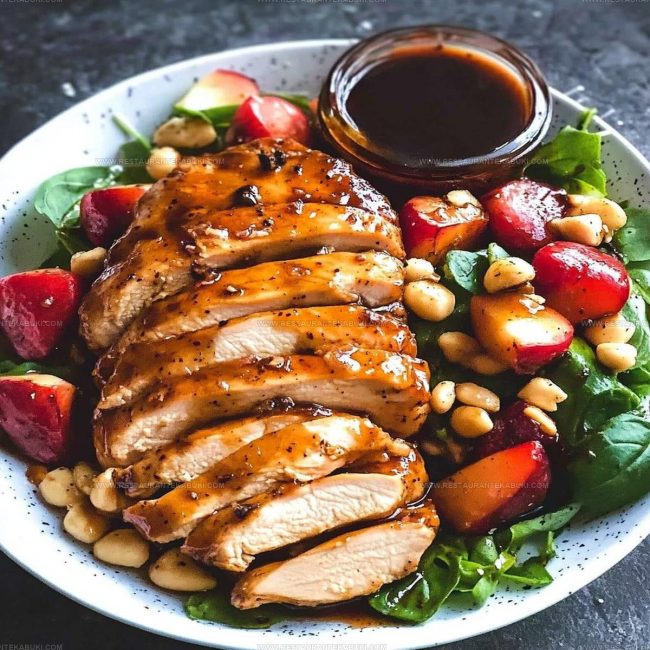
Get Your Oven Ready
Turn on your oven and set it to 400°F. While it heats up, grab a baking dish and give it a light coat of nonstick cooking spray so your chicken doesn’t stick during cooking.
Season The Chicken
Pat your 4 boneless, skinless chicken breasts dry with paper towels. Sprinkle salt and pepper on both sides of each breast, making sure to season them evenly. This simple step helps the flavor soak in.
Make The Glaze
In a medium bowl, combine these ingredients for your glaze:
Whisk everything together until the honey dissolves and the mixture looks smooth and combined.
Arrange Chicken In The Dish
Place your seasoned chicken breasts in the prepared baking dish in a single layer. Pour the glaze over the top, making sure each piece gets coated with the mixture.
Bake Until Cooked Through
Slide the baking dish into your 400°F oven and bake for 25 to 30 minutes. Check that the internal temperature of your chicken reaches 165°F at the thickest part using a meat thermometer. This ensures your chicken is safe to eat and stays juicy.
Finish And Serve
Take the dish out of the oven and let it rest for a couple of minutes. Spoon the extra glaze from the bottom of the dish over your chicken breasts before plating. Serve the chicken while it’s still hot.
Smart Adjustments For Balsamic Chicken
Fresh Ideas to Change Up Balsamic Chicken
Savory Matches for Balsamic Chicken
How To Keep Balsamic Chicken Fresh
FAQs
Can I use chicken thighs instead of chicken breasts?
Yes, chicken thighs work great here. They stay juicier than breasts, though they might need a few extra minutes in the oven to reach 165°F (75°C).
What if I don’t have balsamic vinegar?
You can substitute with red wine vinegar or apple cider vinegar, though the flavor will be a bit different. Use the same amount and mix it the same way.
Do I need to flip the chicken while it bakes?
No flipping needed. The glaze covers everything, and your chicken cooks evenly from the heat around it.
Can I make the glaze ahead of time?
Sure thing. Mix the balsamic vinegar, honey, garlic, and olive oil the night before and keep it in the fridge. Let it sit at room temperature for 10 minutes before using.
How do I know when the chicken is done without a thermometer?
Cut into the thickest part and check that the juices run clear with no pink inside. This is a reliable way to test doneness.
Is the glaze sticky or runny when it’s done?
The glaze reduces and thickens slightly as your chicken bakes, creating a nice coating that clings to the meat.
Savory Balsamic Chicken Recipe
- Total Time: 35-40 minutes
- Yield: 4 1x
Description
Savory balsamic chicken is what happens when you combine tender chicken breasts with a tangy-sweet glaze that comes together in just 30 minutes. Your dinner table gets a restaurant-quality meal that tastes far more complicated than the simple steps it takes to make it.
Ingredients
Protein:
- 4 boneless, skinless chicken breasts (about 1.5 pounds)
Glaze:
- 1/2 cup balsamic vinegar
- 2 tablespoons honey
- 2 cloves fresh garlic, minced
Cooking:
- 2 tablespoons extra virgin olive oil
- Salt and pepper to taste
Instructions
- Heat your oven to 400°F and coat a baking dish lightly with nonstick spray.
- Pat your 4 chicken breasts dry, then sprinkle both sides generously with salt and pepper.
- Combine 1/2 cup balsamic vinegar, 2 tablespoons honey, 2 minced garlic cloves, and 2 tablespoons olive oil in a bowl, whisking until the mixture comes together.
- Lay your seasoned chicken in the prepared baking dish.
- Pour the entire glaze mixture over each breast, making sure the coating covers all surfaces evenly.
- Slide the dish into your 400°F oven and bake for 25 to 30 minutes until your chicken reaches an internal temperature of 165°F at the thickest part.
- Transfer your finished chicken to a serving platter and spoon any remaining pan glaze across the top before serving.
Notes
- Pound your chicken breasts to an even thickness before seasoning so they cook uniformly and stay moist throughout the baking time.
- Don’t skip whisking the glaze ingredients together—this helps the honey dissolve properly and creates a smooth, cohesive sauce rather than separated puddles.
- Reserve a spoonful of glaze before adding the chicken to the dish, then drizzle it fresh over the cooked chicken for a brighter, more vibrant flavor that hasn’t been diluted by the cooking process.
- If your chicken breasts are particularly thick, tent them loosely with foil for the first 15 minutes to prevent the glaze from burning while the meat finishes cooking through.
- Prep Time: 10 minutes
- Cook Time: 25 minutes – 30 minutes
- Category: Baked Chicken
- Method: Baking
- Cuisine: American
Nutrition
- Serving Size: 4
- Calories: 287 kcal
- Sugar: 8 g
- Sodium: 150 mg
- Fat: 14 g
- Saturated Fat: 2 g
- Unsaturated Fat: 11 g
- Trans Fat: 0 g
- Carbohydrates: 9 g
- Fiber: 0.3 g
- Protein: 28 g
- Cholesterol: 70 mg
Kaiden Poole
Co-Founder & Culinary Story Specialist
Expertise
Global Cuisine Inspiration, Cooking Techniques, Cross-Culture Fusion, Food Trends & Recipe Innovation, Flavor Storytelling, Food Writing, Creative Seasonal Menus
Education
- Program: Culinary Arts Certificate (Professional Cook 1 & 2)
- Focus: Fundamental kitchen techniques, food safety, menu planning, and real-world kitchen experience.
Online Gastronomy & Food Culture Courses (Various Platforms)Kaiden Poole brings global influence and culinary storytelling to the team. Based in Vancouver, BC, he earned his Culinary Arts Certificate from Vancouver Island University and expanded his knowledge through studies in gastronomy, nutrition, and sustainability. He focuses on cross-cultural flavors and creative fusion, crafting recipes that make international cuisine accessible to home cooks. For Kaiden, food is about curiosity, creativity, and connection around the table.