
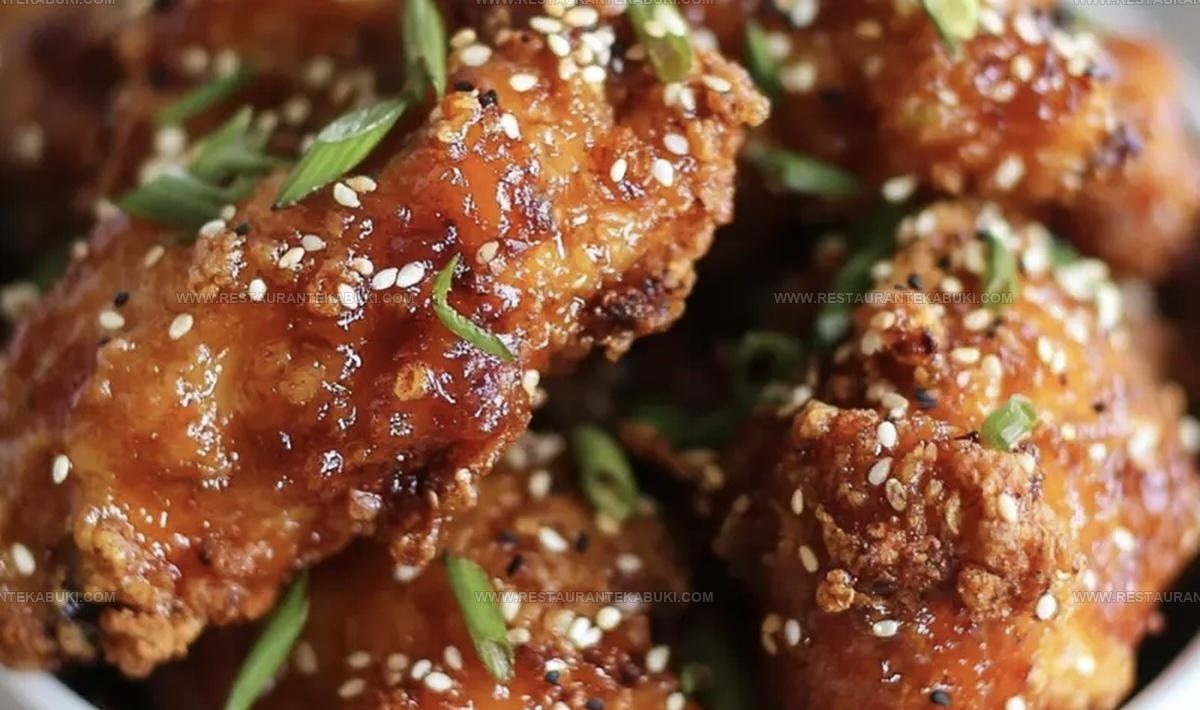
Korean Fried Chicken Recipe That Delivers Restaurant-Quality Crunch at Home

Korean fried chicken recipe lovers know exactly what makes a meal memorable: that signature double-fry technique creating shatteringly crisp skin with juicy meat underneath.
Originating from South Korea's vibrant street food scene, it has become a global sensation at casual dinners and game-day gatherings alike.
What sets it apart is the supremely crunchy coating that stays crispy far longer than traditional fried chicken, paired with sweet, spicy, and savory glazes that coat every piece.
Sharing platters of it turns any ordinary evening into something special, as everyone reaches for just one more piece.
Many restaurants serve it until the early morning hours across Seoul, proving its status as comfort food at any time of day.
When prepared at home, it fills your kitchen with mouthwatering aromas that draw everyone to the table before you can finish plating.
Making it yourself means controlling every element to suit your preferences while enjoying restaurant-style results right in your own home.
Why Korean Fried Chicken Is Always A Good Idea
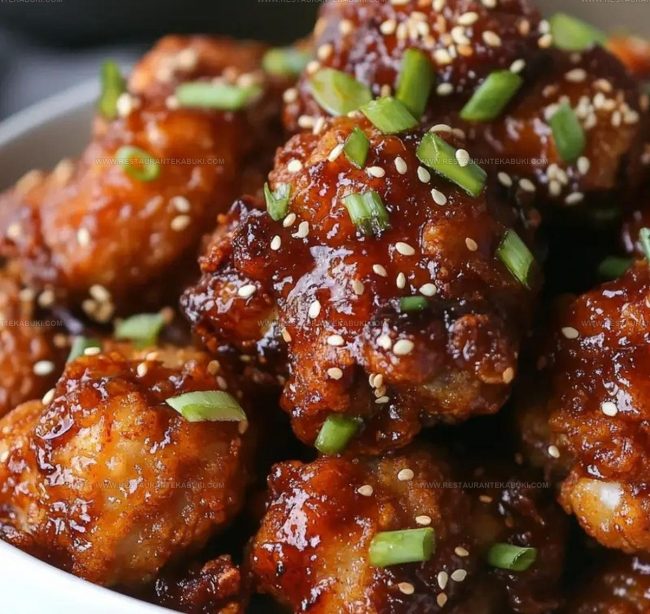
Korean Fried Chicken Ingredients at a Glance
Main Protein:Marinade And Flavoring:Coating And Finishing:Basic Tools Needed For Korean Fried Chicken
Preparation Process For Korean Fried Chicken
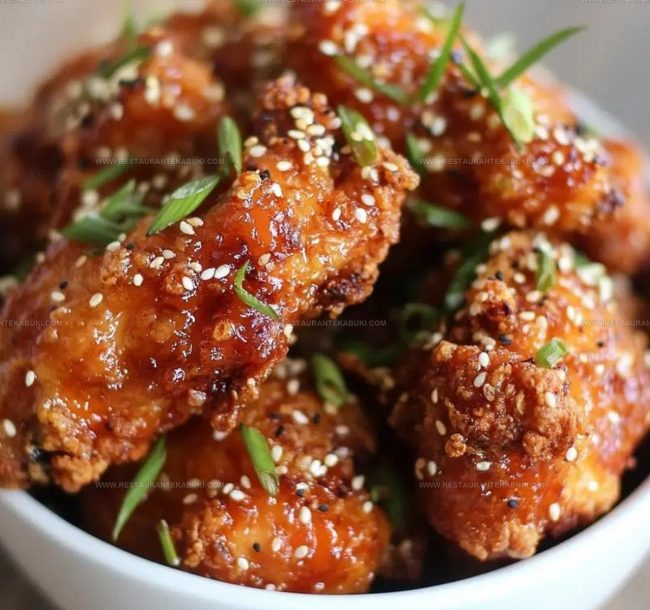
Cut And Dry The Chicken
Take your 500g of chicken breast and cut it into bite-sized pieces that fit nicely in your palm. Once everything is cut, pat each piece dry with paper towels so the surface is no longer wet.
This step matters because it helps the coating stick better when it’s time to fry.
Make The Marinade
In a bowl, combine these ingredients for your marinade:
Add your chicken pieces to this mixture and stir everything together so each piece gets coated.
Let it sit in your refrigerator for at least 30 minutes while the flavors soak in.
Set Up Your Breading Station
Get a separate bowl ready and mix together the dry ingredients for coating.
You need:
Stir these together and set the bowl nearby so it’s ready when you need it.
Coat The Chicken Pieces
Take each marinated chicken piece and dip it into your flour mixture, turning it around so all sides get covered.
Once coated, shake off any extra flour that’s sitting loosely on top. Lay each piece on a clean plate as you finish.
Heat Your Oil For Frying
Pour enough oil into a deep frying pan so it comes about halfway up the sides. Set your heat to medium-high and let it warm up for about 3 to 4 minutes.
Test if it’s ready by dropping a small piece of breading into the oil – if it sizzles right away, the temperature is good.
Fry The Chicken In Batches
Place your coated chicken pieces into the hot oil a few at a time so they have room to cook without crowding the pan.
Let them fry for 5 to 7 minutes until the outside turns golden brown and the inside is cooked through. Use tongs to flip them halfway through so both sides brown evenly.
Remove And Drain The Fried Chicken
Once each batch finishes cooking, transfer the pieces to a plate lined with paper towels so the excess oil drains away. Set this aside while the remaining batches cook.
Make The Coating Sauce
In a separate pan over medium heat, combine these ingredients:
Stir constantly for about 2 to 3 minutes until everything blends together smoothly and the honey dissolves completely.
Toss Chicken With The Sauce
Add all your fried chicken pieces to the pan with the sauce and toss everything together using tongs or two spoons.
Make sure each piece gets evenly coated with the sauce, which takes about 1 to 2 minutes of tossing.
Finish And Serve
Transfer your coated chicken to a serving plate and sprinkle 1 tablespoon of sesame seeds over the top.
Add chopped green onions for color and fresh flavor. Serve right away while it’s still warm.
Cooking Insights To Guide Korean Fried Chicken
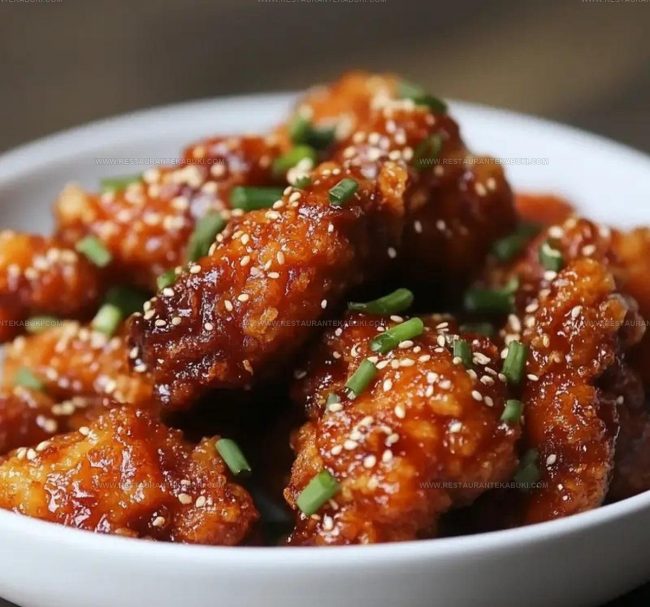
What Creative Options Fit Korean Fried Chicken?
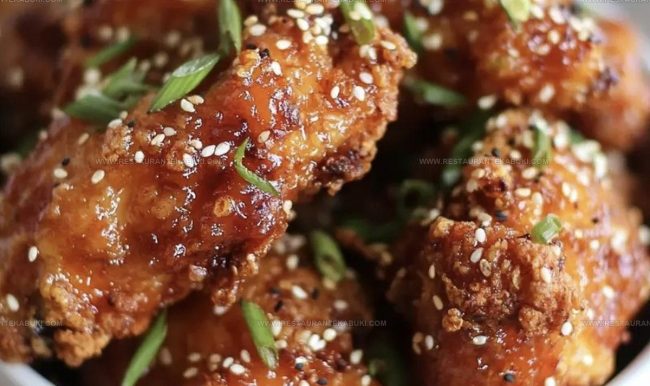
What Are Smart Ways to Serve Korean Fried Chicken
Simple Storage Guide For Korean Fried Chicken
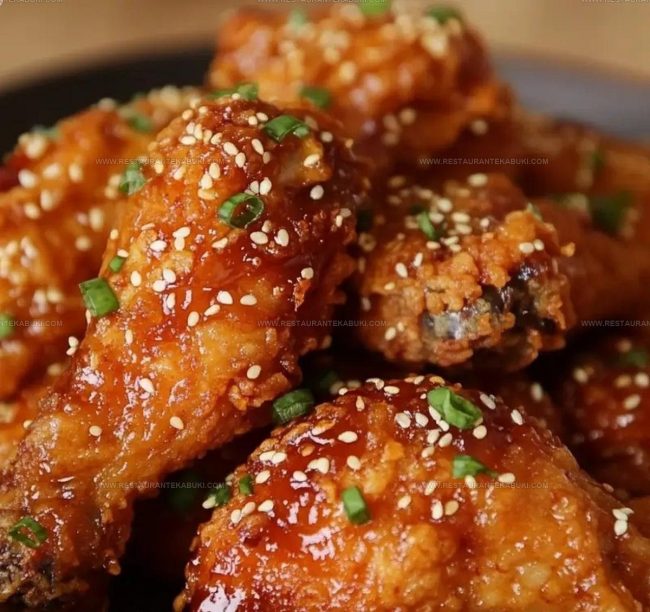
FAQs
Can I use chicken breast instead of other cuts?
Yes, chicken breast works fine, but thighs and drumsticks stay juicier when fried. Breast meat can dry out if cooked longer than needed, so keep an eye on it.
What’s the difference between cornstarch and regular flour?
Cornstarch creates a crispier, crunchier coating than flour alone. Mixing them together gives the best texture – crispy outside with a tender inside.
Do I have to use gochujang for the sauce?
Gochujang gives the sauce its authentic spicy-sweet kick. If the taste is too strong for your preference, reduce the amount or swap it with a little red pepper flakes mixed with ketchup instead.
How do I know when the oil is hot enough?
The oil should shimmer and ripple when the pan is tilted. A small piece of breading dropped in should sizzle immediately and float to the top.
Why is the chicken still soggy after frying?
The coating didn’t stick properly, which usually happens when the chicken is too wet before breading. Pat your chicken pieces very dry before coating them in the flour mixture.
Korean Fried Chicken Recipe
- Total Time: 50-54 minutes
- Yield: 2 1x
Description
Korean fried chicken gets its irresistible crunch and glossy glaze from a double-fry technique and a savory-sweet sauce that sticks to every bite. Your kitchen fills with an amazing aroma as the chicken cooks, and serving it hot with pickled radish on the side makes for a satisfying meal that beats takeout every time.
Ingredients
Protein:
- 500 grams chicken breast
Marinade and Sauce:
- 3 tablespoons soy sauce
- 2 tablespoons honey
- 1 tablespoon sesame oil
- 2 cloves garlic, minced
- 1 teaspoon ginger, minced
- 1 tablespoon Korean chili paste
- 1 tablespoon rice vinegar
Garnish:
- 1 tablespoon sesame seeds
- 1 bunch green onions
Instructions
- Cut your 500g chicken breast into bite-sized pieces and pat them completely dry with paper towels to remove all surface moisture.
- Mix together 3 tablespoons soy sauce, 2 minced garlic cloves, and 1 teaspoon minced ginger in a bowl, then add your chicken pieces and refrigerate for at least 30 minutes so the flavors soak in.
- Combine your flour and cornstarch with a pinch of salt in a separate bowl to create your coating mixture.
- Remove each marinated chicken piece from the bowl and dredge it thoroughly in the flour mixture, shaking off any excess coating.
- Heat oil in a deep frying pan to 350°F over medium-high heat, then carefully add your coated chicken in batches and fry for 5 to 7 minutes per batch until golden brown and cooked through.
- Transfer your fried chicken to a paper towel-lined plate immediately after cooking so the excess oil drains away.
- Pour 2 tablespoons honey, 1 tablespoon sesame oil, 1 tablespoon gochujang, and 1 tablespoon rice vinegar into a separate pan with your remaining soy sauce and heat over medium heat for about 2 to 3 minutes, stirring until everything combines smoothly and the sugar dissolves.
- Add all your fried chicken pieces directly into the sauce and toss gently for 1 to 2 minutes so each piece gets coated evenly.
- Transfer your finished chicken to a serving plate and sprinkle 1 tablespoon sesame seeds and chopped green onions across the top before serving hot.
Notes
- Patting your chicken completely dry is essential because any moisture will cause the oil to splatter and prevent the coating from getting crispy.
- Marinating for at least 30 minutes gives the chicken flavor all the way through, but if time is short, even 15 minutes will help.
- When frying in batches, don’t overcrowd your pan since this drops the oil temperature and makes the coating soggy instead of golden.
- Let your fried chicken rest on paper towels for a few minutes before tossing it in the sauce so the coating stays crunchy longer.
- For a spicier version, add more gochujang to your sauce or mix in some sriracha to match your heat preference.
- If you’re avoiding frying, bake your breaded chicken at 400°F for about 20 minutes, though the texture won’t be quite as crispy.
- Prep Time: 40 minutes
- Cook Time: 10-14 minutes
- Category: More Fried Chicken
- Method: Frying
- Cuisine: Korean
Nutrition
- Serving Size: 2
- Calories: 512 kcal
- Sugar: 15 g
- Sodium: 1350 mg
- Fat: 14 g
- Saturated Fat: 2.5 g
- Unsaturated Fat: 9 g
- Trans Fat: 0 g
- Carbohydrates: 26 g
- Fiber: 1.5 g
- Protein: 56 g
- Cholesterol: 130 mg
Julia Simon
Founder & Head Recipe Curator
Expertise
Seasonal and Globally Inspired Recipes, Flavor Pairing & Ingredient Creativity, Comfort Food with a Modern Twist, Recipe Testing & Home Kitchen Strategy, Simple Weeknight Ideas, Weekend Feast Ideas
Education
- Program: Culinary Arts Certificate
- Focus: Hands-on culinary training including classic cooking techniques, kitchen safety, and menu prep in a professional kitchen environment.
Tri-C Culinary Arts – Cuyahoga Community CollegeBased in Asheville, NC, Julia Simon leads Restaurante Kabuki with a love for seasonal ingredients and practical, flavor-forward cooking. She trained in Culinary Arts at Tidewater Community College and Tri-C Culinary Arts, building strong skills in classic techniques, kitchen safety, and professional prep. Julia has created 300+ original recipes designed for real home kitchens. Her style blends global inspiration with modern comfort food, making everyday meals and special occasions equally inviting. She believes cooking should feel joyful, approachable, and worth sharing.