
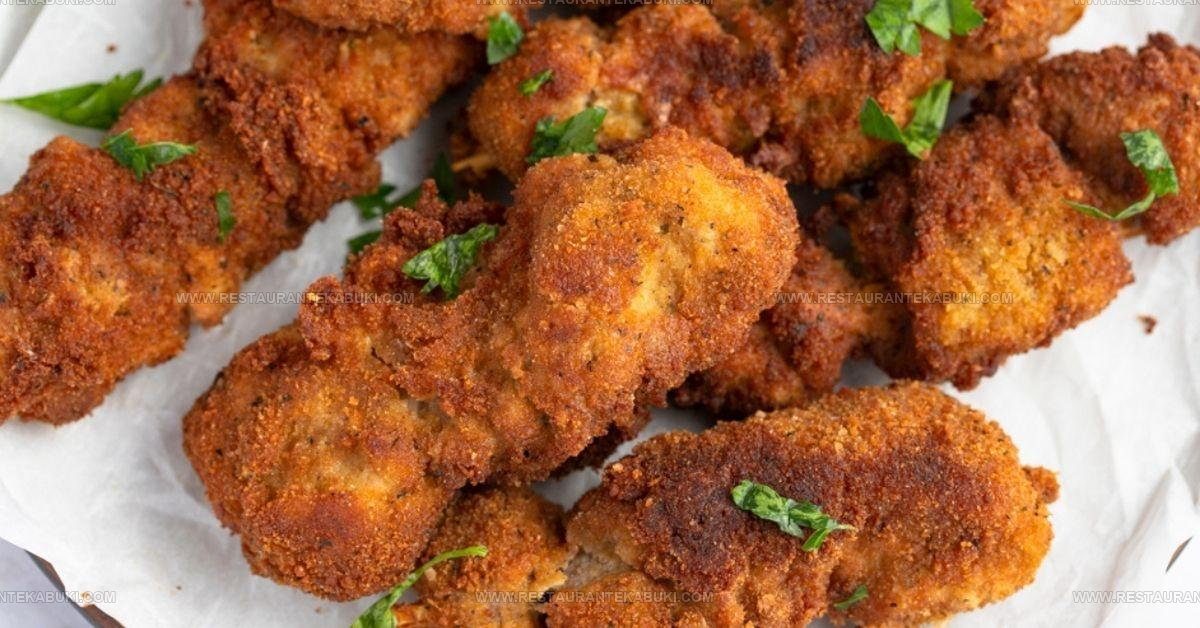
Skillet City Chicken Recipe That Feels Like Sunday Dinner

City chicken recipe lovers know this dish has a charm that goes far beyond its quirky name.
Despite the name, no actual chicken is involved – just a clever, budget-friendly classic that has won hearts across Midwest American kitchens for generations.
Its roots trace back to Depression-era cooking, where creativity and resourcefulness shaped some of the most beloved comfort food traditions.
Pure, satisfying, and deeply homey, it carries a warmth that feels both familiar and special at the same time.
Affordable yet deeply flavorful, it has remained a staple on dinner tables long after the era that inspired it.
Food history and good taste rarely come packaged so neatly together, making this recipe a genuinely rewarding addition to your weekly rotation.
Jump in, follow along, and rediscover why this old-school classic continues to earn its place at the table.
What Makes City Chicken So Well Loved
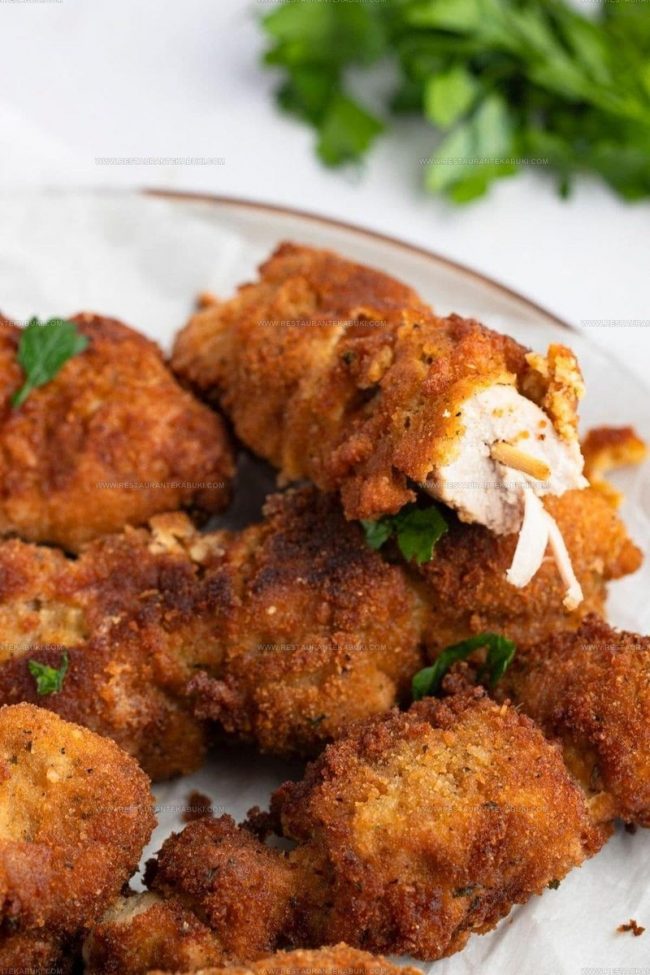
What Ingredients Form Base of City Chicken
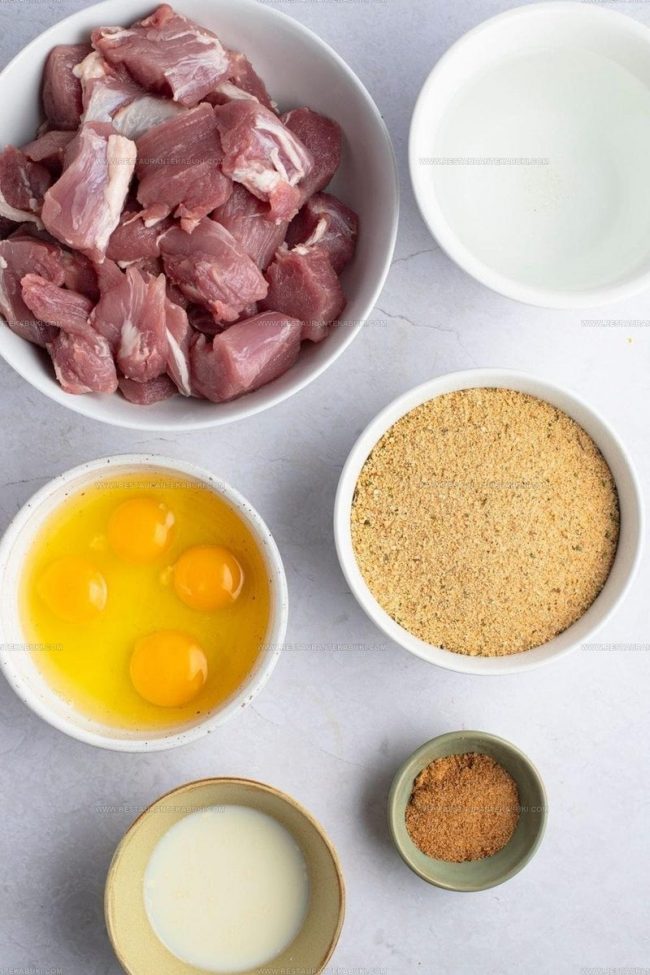
Main Protein:Breading And Egg Mixture:Seasonings And Cooking Liquid:Key Equipment for Perfect City Chicken
How To Make City Chicken
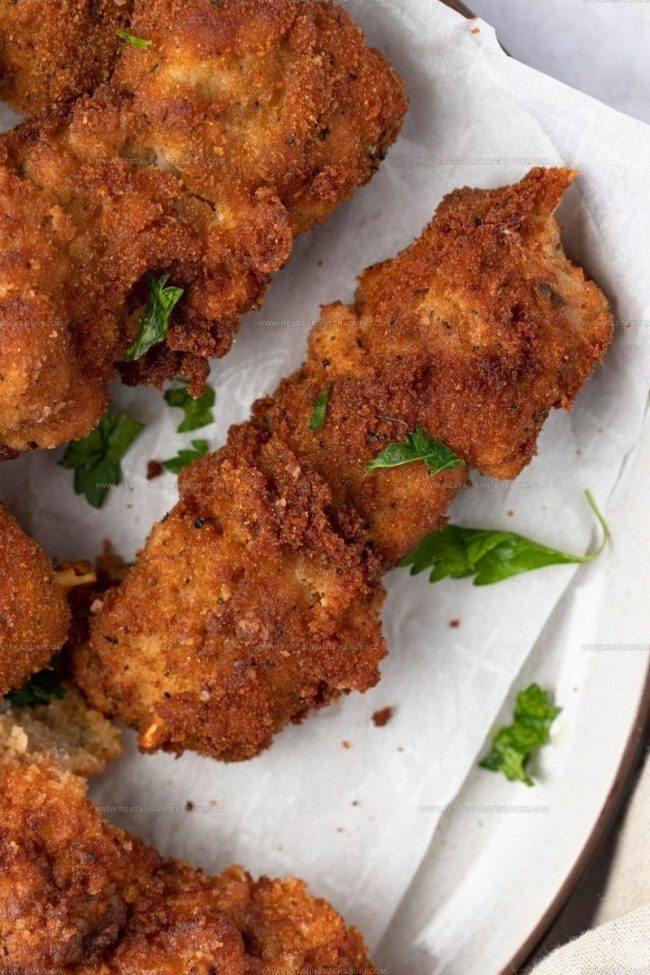
Prepare Your Pork Cubes And Season
Take your 2 pounds of boneless pork and cut it into 1 1/2-inch cubes. Thread 2 to 3 pork pieces onto each of your 14 skewers, leaving a little space between pieces so they cook evenly.
Once each skewer is loaded, sprinkle salt, pepper, and seasoned salt all over them, making sure to coat every side of the meat. Set the skewers aside on a clean surface while you prepare the rest of your setup.
Set Up Your Breading Station
In one shallow bowl, crack open 4 eggs and whisk them together with 3 tablespoons of milk until the mixture is well combined. In another shallow bowl, pour in 2 cups of Italian seasoned bread crumbs.
Keep these two bowls near each other so your breading process goes smoothly.
Prepare Your Baking Dish
Set a wire rack into the bottom of your 9×13-inch baking dish.
Pour 2 cups of water into the dish, being careful that the water level stays just below where the wire rack sits. This setup will help steam your pork as it bakes later on.
Heat Your Oil And Oven
Fill a deep-fryer or large, heavy-bottomed saucepan with 2 cups of vegetable oil. Turn the heat to medium-high and bring the oil to 350 degrees Fahrenheit.
At the same time, preheat your oven to 350 degrees Fahrenheit so it reaches the right temperature by the time your skewers are ready.
Coat Your Skewers
Take each skewer and dip it into your egg mixture, letting any excess drip off.
Next, roll it in the bread crumbs until every bit of your pork is covered with a good coating. Do this process twice for each skewer so the breading sticks well and creates a thicker crust.
Fry Your Skewers
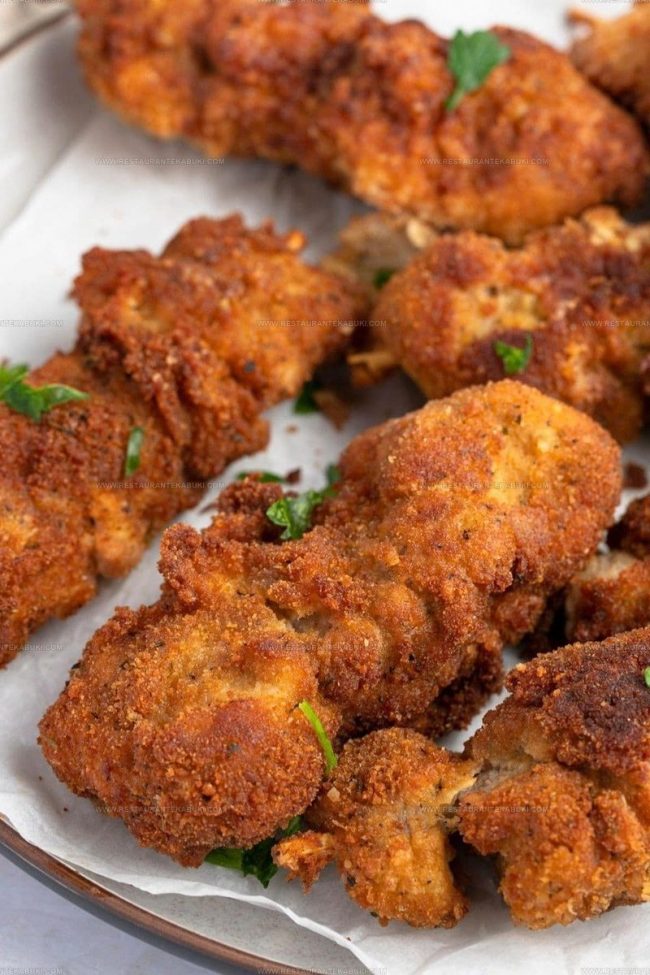
Once your oil reaches 350 degrees Fahrenheit, carefully place the skewers into the hot oil. Fry them for about 3 minutes on each side until the breading turns golden brown and crispy.
Work in batches if needed so your skewers have room to cook properly without crowding the pan.
Transfer To Your Baking Dish
Using tongs or a slotted spoon, remove each cooked skewer from the oil and place it on the wire rack in your baking dish.
Arrange them so they sit evenly on the rack without overlapping. Cover the entire dish tightly with aluminum foil.
Bake Until Pork Is Cooked Through
Slide your covered baking dish into the preheated 350 degree Fahrenheit oven and bake for 20 minutes. After 20 minutes, check that the pork is no longer pink in the center by cutting into the thickest piece.
Remove the foil and put the dish back in the oven for 10 more minutes to let the breading get extra crispy and brown.
Finish And Serve
Take the dish out of the oven once the second baking period is complete.
The skewers are ready to eat right away while they are still warm.
How Can You Enhance Cooking City Chicken
Creative Alternatives for City Chicken
Easy Serving Ideas For City Chicken
Top Storage Advice For City Chicken
FAQs
Can I use chicken instead of pork?
Yes, chicken works great for this dish. Your cooking time in the deep-fryer stays about the same, but check that the chicken is cooked through before moving it to the oven.
What if I don’t have a deep-fryer?
A large, heavy-bottom saucepan works just fine. Make sure the oil reaches 350 degrees Fahrenheit and has enough depth so the skewers can be submerged halfway through cooking.
Why do I double-coat the skewers?
The double coating gives your city chicken a thicker, crunchier crust. This extra layer protects the meat while it cooks and creates that golden-brown texture everyone loves.
Do I need metal or wooden skewers?
Metal skewers are better because they conduct heat evenly and stand up to the deep-fryer without burning. If using wooden skewers, soak them in water first to prevent charring.
What if my bread crumbs get clumpy?
Use fresh bread crumbs or panko for the best results. If they do clump, break them apart with your fingers before dipping your skewers.

City Chicken Recipe
- Total Time: 51 minutes
- Yield: 14 1x
Description
City chicken combines tender meat and crispy breadcrumbs on a skewer – a clever way to make something that looks fancy but mixes smoothly in your kitchen without fuss. Your dinner table gets a satisfying, golden-brown dish that tastes homemade and feels special enough for company.
Ingredients
Protein:
- 2 pounds boneless pork, cut into 1 1/2-inch cubes
Breading and coating:
- 4 eggs
- 3 tablespoons milk
- 2 cups Italian seasoned bread crumbs
Cooking:
- 2 cups vegetable oil, for frying
- 2 cups water
- Salt and pepper, to taste
- Seasoned salt, to taste
Instructions
- Thread 2 to 3 of your 2 pounds of boneless pork cubes onto each of the 14 skewers, then season all sides generously with salt, pepper, and seasoned salt.
- Whisk 4 eggs together with 3 tablespoons milk in a shallow bowl for your wet coating.
- Pour 2 cups of Italian seasoned bread crumbs into another shallow bowl so you have everything ready for coating.
- Set your wire rack inside the 9×13-inch baking dish and add 2 cups of water to the dish without letting it touch the rack.
- Heat your oven to 350 degrees Fahrenheit and get your 2 cups of vegetable oil warming to 350 degrees Fahrenheit in a deep-fryer or large heavy-bottomed saucepan at the same time.
- Dip each skewer into your egg mixture, letting excess drip back into the bowl.
- Roll your egg-coated skewer in the bread crumbs, making sure it gets fully covered on all sides.
- Dip the same skewer back into the egg mixture a second time for a thicker coating.
- Coat it again in the bread crumbs so you build up that crispy layer.
- Carefully place your coated skewers into the 350 degree Fahrenheit oil and fry them for about 3 minutes per side until they turn golden brown.
- Transfer your fried skewers onto the wire rack sitting in your baking dish.
- Cover the dish tightly with aluminum foil and bake at 350 degrees Fahrenheit for 20 minutes until the pork reaches no pink at the center.
- Remove the foil and bake uncovered for 10 more minutes at 350 degrees Fahrenheit to crisp up that bread crumb coating before you serve.
Notes
- Double-coating the skewers in egg and bread crumbs creates a thicker, crunchier crust that stays crispy even after baking.
- Keep your oil at exactly 350 degrees while frying since hotter oil browns the coating too quickly before the pork cooks through inside.
- The water in the baking dish keeps the pork moist during the final baking step, so check that it doesn’t evaporate completely and add more if needed.
- For a lighter version, skip deep-frying and bake the breaded skewers at 400 degrees for 25 minutes instead, though the texture won’t be quite as crunchy.
- Prep Time: 15 minutes
- Cook Time: 36 minutes
- Category: More Fried Chicken
- Method: Frying
- Cuisine: American
Nutrition
- Serving Size: 14
- Calories: 370 kcal
- Sugar: 1 g
- Sodium: 320 mg
- Fat: 25 g
- Saturated Fat: 5 g
- Unsaturated Fat: 20 g
- Trans Fat: 0.2 g
- Carbohydrates: 15 g
- Fiber: 1 g
- Protein: 25 g
- Cholesterol: 110 mg
Kaiden Poole
Co-Founder & Culinary Story Specialist
Expertise
Global Cuisine Inspiration, Cooking Techniques, Cross-Culture Fusion, Food Trends & Recipe Innovation, Flavor Storytelling, Food Writing, Creative Seasonal Menus
Education
- Program: Culinary Arts Certificate (Professional Cook 1 & 2)
- Focus: Fundamental kitchen techniques, food safety, menu planning, and real-world kitchen experience.
Online Gastronomy & Food Culture Courses (Various Platforms)Kaiden Poole brings global influence and culinary storytelling to the team. Based in Vancouver, BC, he earned his Culinary Arts Certificate from Vancouver Island University and expanded his knowledge through studies in gastronomy, nutrition, and sustainability. He focuses on cross-cultural flavors and creative fusion, crafting recipes that make international cuisine accessible to home cooks. For Kaiden, food is about curiosity, creativity, and connection around the table.