
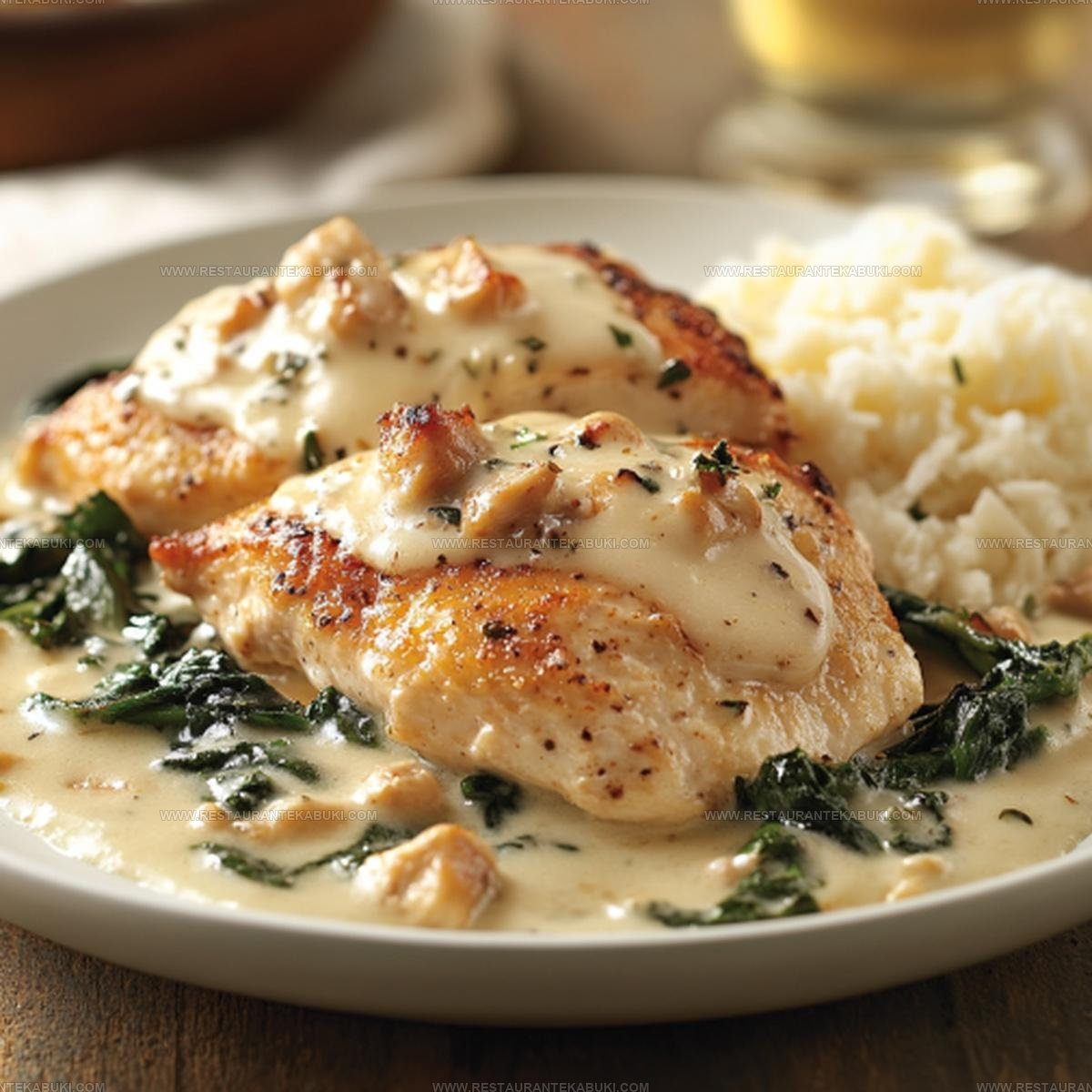
Creamy Asiago Chicken Recipe With Tender Pan-Seared Meat

Creamy Asiago chicken belongs on any weeknight dinner rotation when comfort food cravings hit hard.
Rich, savory flavors come together in one skillet to create a meal that feels special without demanding hours in the kitchen.
Busy evenings become less stressful when dinner takes minimal effort but still delivers maximum satisfaction.
Everyone at the table will appreciate how restaurant-worthy flavors can happen right at home with straightforward cooking.
Pairing protein with a luscious sauce makes any ordinary meal feel like an occasion worth celebrating.
Weeknight cooking doesn't mean sacrificing flavor or quality, and meals like it prove that point beautifully.
There's no better time to add something new and delicious to your weekly menu.
Why This Asiago Chicken Works So Well
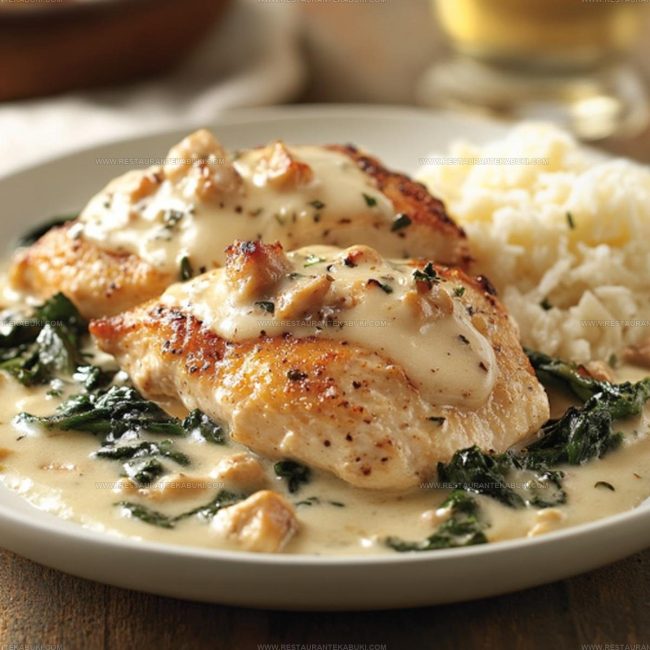
What Ingredients Need Picking Up for Asiago Chicken
For The Chicken:For The Sauce:Asiago Chicken Cooking Tools Guide
Cooking Flow For Asiago Chicken
Flatten Your Chicken Breasts
Take each of your 4 boneless, skinless chicken breasts and place them between two pieces of plastic wrap or parchment paper. Use a meat mallet to pound them to an even thickness, about 3/4 inch thick.
This helps the chicken cook evenly and makes it more tender.
Season Your Flour Mixture
In a shallow dish or plate, combine the coating mixture:
Mix these together so the seasonings spread throughout the flour.
Coat the Chicken
One at a time, dredge each flattened chicken breast into your seasoned flour mixture. Make sure both sides get a light, even coating, then shake off any excess flour.
Set the coated chicken aside on a clean plate.
Heat Your Cooking Fat
Pour 2 tablespoons of olive oil into a large skillet and add 1 tablespoon of unsalted butter.
Set the heat to medium and let the butter melt into the oil. Once the butter foams and the mixture is hot, the pan is ready for your chicken.
Brown the Chicken
Carefully place your coated chicken breasts into the hot skillet. Cook them for 4 to 5 minutes on the first side until they turn golden brown.
Flip each breast and cook the other side for another 4 to 5 minutes. The internal temperature should reach 165°F when you check with a meat thermometer.
Once cooked through, transfer the chicken to a separate plate.
Start the Sauce Base
In the same skillet where you cooked the chicken, add your minced garlic (about 2 cloves) and let it cook for about 1 minute over medium heat.
This takes just long enough for it to smell fragrant and lose its raw edge.
Build the Creamy Sauce
Lower the heat to low and slowly add your sauce ingredients to the skillet.
Pour in and stir together:
Whisk constantly as everything combines. Keep stirring until the cheese fully melts and the sauce becomes smooth, which takes a few minutes.
Bring It All Together
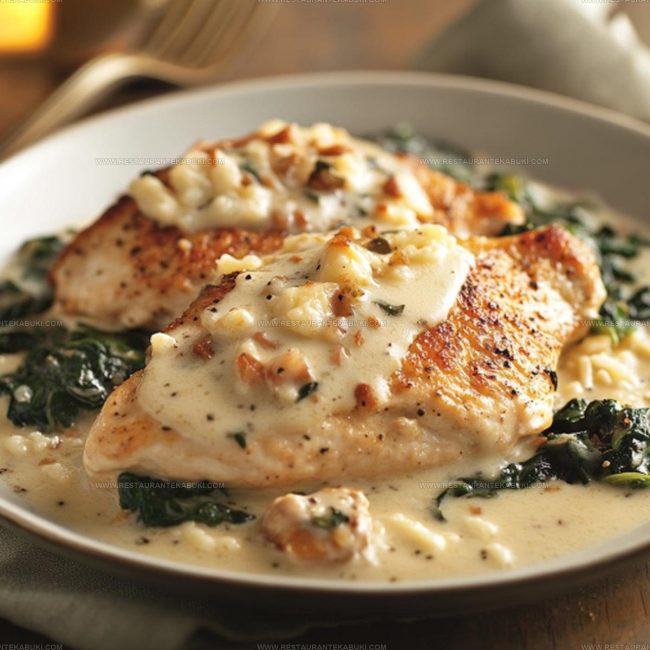
Return your cooked chicken breasts to the skillet and spoon the creamy sauce over each piece. Let everything simmer together on low heat for 2 to 3 minutes so the flavors blend nicely.
Plate and Finish
Transfer the chicken and sauce to your serving plates. Sprinkle fresh parsley or basil on top for a pop of color and freshness.
Simple Kitchen Support For Asiago Chicken
Simple Variations for Asiago Chicken
Best Pairings For Asiago Chicken
Handy Storage Guide for Asiago Chicken
FAQs
Can I use chicken thighs instead of chicken breasts?
Yes, thighs work well for this dish. They’re more forgiving and stay juicy, but they may take a few extra minutes to cook through. Check that the internal temperature reaches 165°F.
What if I don’t have Asiago cheese?
Parmesan, Pecorino Romano, or Gruyère are good substitutes. Use the same amount and shred it finely so it melts smoothly into the sauce.
How do I know when the chicken is cooked all the way through?
Use a meat thermometer to check the thickest part of the breast. It should read 165°F. If the outside is golden but the inside isn’t done, lower the heat and cover the skillet to finish cooking gently.
Can I make this without heavy cream?
Half-and-half works, though the sauce will be thinner. Mix a tablespoon of cornstarch with a little cold broth and stir it in to thicken it up while simmering.
Is the red pepper flakes necessary?
No, they’re optional. Skip them if you prefer a milder, creamier dish without any heat.
Asiago Chicken Recipe
- Total Time: 20 minutes
- Yield: 4 1x
Description
Creamy asiago chicken brings together tender chicken breasts with a rich, cheesy sauce that coats every bite in savory comfort. Your dinner table gets a restaurant-quality meal in about 30 minutes that tastes like you spent all afternoon cooking.
Ingredients
Chicken Preparation:
- 4 boneless skinless chicken breasts
- 1/2 cup all-purpose flour
- 1 teaspoon garlic powder
- 1 teaspoon paprika
- 1/2 teaspoon salt
- 1/4 teaspoon black pepper
- 2 tablespoons olive oil
- 1 tablespoon unsalted butter
Sauce Base:
- 2 garlic cloves
- 1 cup heavy cream
- 1/2 cup chicken broth
Sauce Flavoring:
- 1/2 cup grated Asiago cheese
- 1 teaspoon Italian seasoning
- 1/4 teaspoon red pepper flakes
- 1/4 teaspoon salt
- 1/4 teaspoon black pepper
- 1 tablespoon fresh parsley
Instructions
- Lay each of your 4 boneless, skinless chicken breasts flat and use a meat mallet to pound them until they reach an even thickness throughout.
- Combine 1/2 cup all-purpose flour, 1 teaspoon garlic powder, 1 teaspoon paprika, 1/2 teaspoon salt, and 1/4 teaspoon black pepper in a shallow dish, then coat each chicken breast thoroughly in this mixture, tapping away any excess flour.
- Heat 2 tablespoons olive oil and 1 tablespoon unsalted butter in a large skillet over medium heat until the butter melts and the oil shimmers.
- Place your chicken breasts in the hot pan and cook for 4 to 5 minutes on each side until they turn golden brown and reach an internal temperature of 165°F.
- Transfer your cooked chicken to a plate and set it aside temporarily.
- In the same skillet, add 2 minced garlic cloves and sauté them for 1 minute at medium heat until fragrant.
- Lower your heat to low and pour in 1 cup heavy cream and 1/2 cup chicken broth, stirring as you add them.
- Sprinkle 1/2 cup grated Asiago cheese, 1 teaspoon Italian seasoning, 1/4 teaspoon red pepper flakes if using, 1/4 teaspoon salt, and 1/4 teaspoon black pepper into your sauce and whisk constantly for 2 to 3 minutes until the cheese fully dissolves and the sauce becomes smooth.
- Nestle your chicken back into the skillet and spoon the sauce over each piece, then let everything simmer together at low heat for 2 to 3 minutes so the flavors blend.
- Transfer your chicken to serving plates, pour the remaining sauce over the top, and finish with fresh parsley or basil sprinkled across.
Notes
- Pound your chicken breasts evenly so they cook at the same rate and won’t dry out unevenly in the pan.
- Brown the chicken over medium heat rather than high heat to develop a golden crust while keeping the inside tender and juicy.
- Keep your heat low when adding the cream and cheese so the sauce doesn’t break or become grainy from the high temperature.
- If your sauce seems too thick, thin it with a splash of chicken broth, and if it’s too thin, let it simmer a bit longer to reduce and thicken naturally.
- Asiago can be salty, so taste your sauce before adding extra salt to avoid overseasoning your dish.
- This dish works beautifully over pasta, rice, or mashed potatoes to soak up the creamy sauce.
- Prep Time: 5 minutes
- Cook Time: 15 minutes
- Category: Sautéed Chicken
- Method: Sautéing
- Cuisine: Italian
Nutrition
- Serving Size: 4
- Calories: 492 kcal
- Sugar: 1 g
- Sodium: 520 mg
- Fat: 37 g
- Saturated Fat: 17 g
- Unsaturated Fat: 18 g
- Trans Fat: 0.3 g
- Carbohydrates: 10 g
- Fiber: 1 g
- Protein: 38 g
- Cholesterol: 140 mg
Kaiden Poole
Co-Founder & Culinary Story Specialist
Expertise
Global Cuisine Inspiration, Cooking Techniques, Cross-Culture Fusion, Food Trends & Recipe Innovation, Flavor Storytelling, Food Writing, Creative Seasonal Menus
Education
- Program: Culinary Arts Certificate (Professional Cook 1 & 2)
- Focus: Fundamental kitchen techniques, food safety, menu planning, and real-world kitchen experience.
Online Gastronomy & Food Culture Courses (Various Platforms)Kaiden Poole brings global influence and culinary storytelling to the team. Based in Vancouver, BC, he earned his Culinary Arts Certificate from Vancouver Island University and expanded his knowledge through studies in gastronomy, nutrition, and sustainability. He focuses on cross-cultural flavors and creative fusion, crafting recipes that make international cuisine accessible to home cooks. For Kaiden, food is about curiosity, creativity, and connection around the table.