Apricot Dijon Chicken Recipe With Sweet Glaze

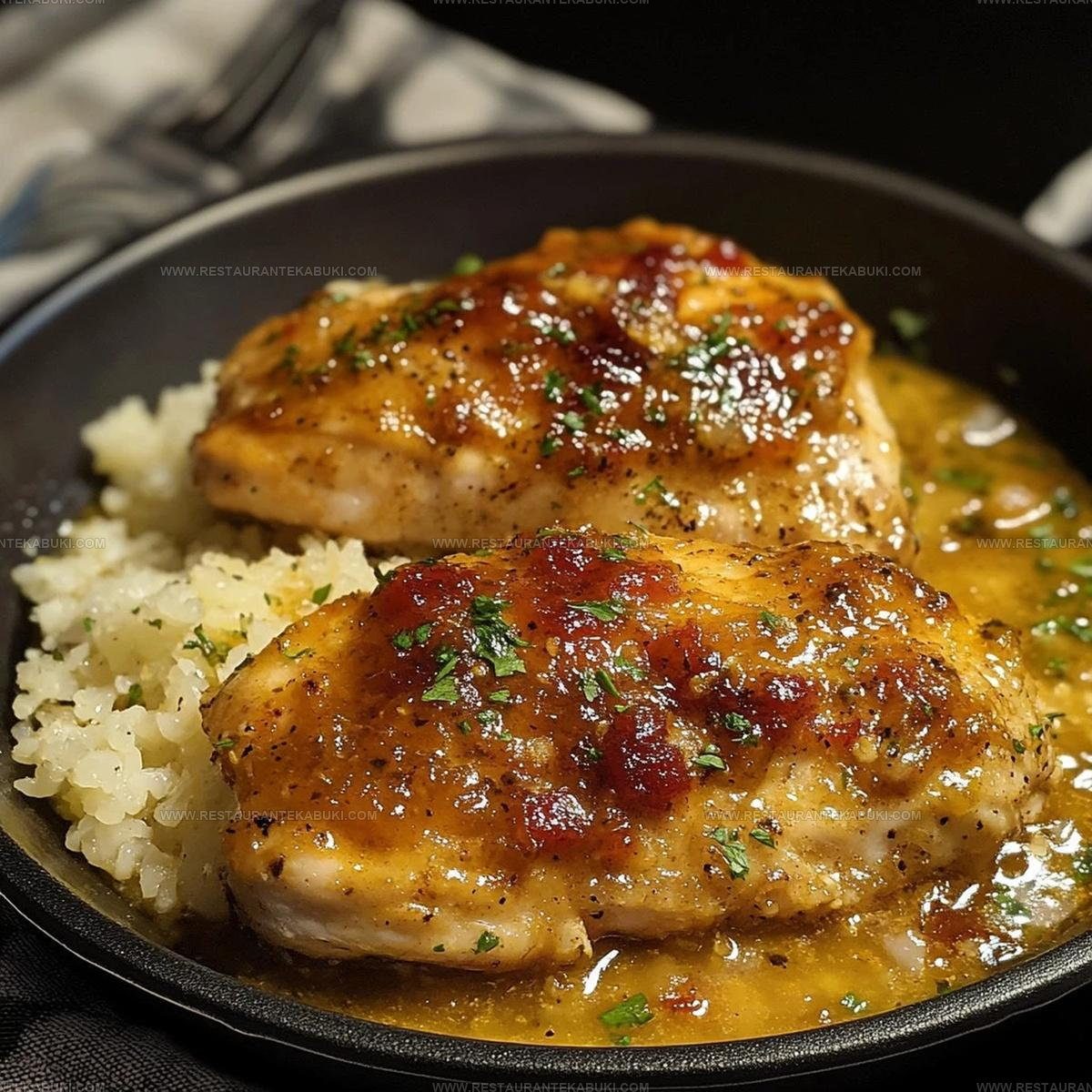
Apricot Dijon chicken brings sweet and savory notes together in one delicious main course that works beautifully for weeknight dinners or special occasions.
The flavors balance perfectly to create something memorable without requiring advanced cooking skills or hard-to-find items.
Busy cooks appreciate how quickly everything comes together, while the impressive results make it feel like something from a favorite restaurant.
If you love meals that look elegant but don't demand hours in the kitchen, then giving this one a spot in your regular rotation makes perfect sense.
The glossy coating and tender results always seem to win over everyone at the table.
It pairs wonderfully with simple sides like rice, roasted vegetables, or a crisp salad.
Tonight's dinner just got a whole lot more exciting with flavors that hit all the right notes.
The Appeal of Apricot Dijon Chicken
What Ingredients Make Up Apricot Dijon Chicken
Main Protein:Glaze Components:Cooking Essentials:Tools That Fit Apricot Dijon Chicken Preparation
Cooking Directions For Apricot Dijon Chicken
Heat Your Oven
Get your oven heating to 375°F (190°C) so everything is ready when the chicken goes in.
Combine The Glaze
In a medium bowl, stir together these ingredients until they blend smoothly:
This creates the coating that gives your chicken its signature flavor.
Season The Chicken
Pat your 4 chicken breasts dry with paper towels, then sprinkle both sides generously with salt and pepper. This basic seasoning step makes a real difference in how the final dish tastes.
Prepare The Baking Dish
Lightly coat a baking dish with 1 tablespoon of olive oil, then arrange your seasoned chicken breasts in the dish so they sit flat and close together.
Add The Glaze
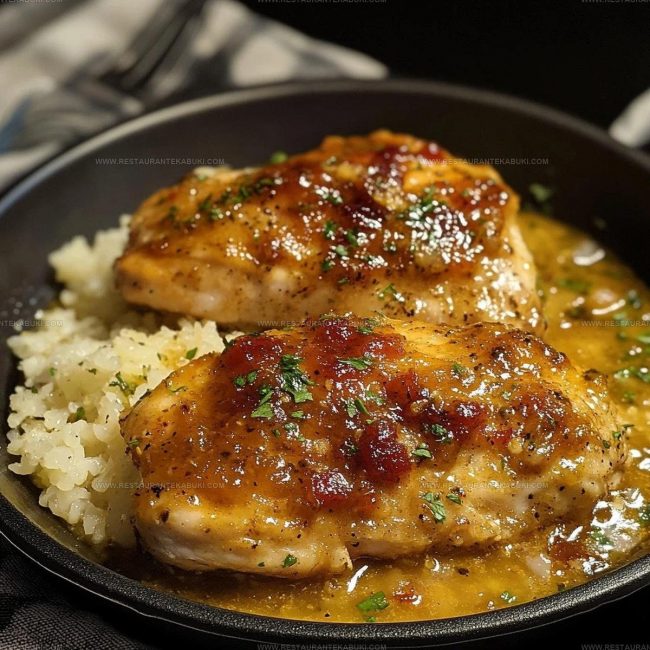
Spoon the apricot-Dijon mixture evenly over each chicken breast, making sure the coating covers the top of each piece.
Bake The Chicken
Place the baking dish in your preheated oven and bake for 25 to 30 minutes. The chicken is done when it reaches an internal temperature of 165°F (74°C) when you check it with a thermometer in the thickest part.
Finish And Serve
Take the dish out of the oven and let it rest for a few minutes before serving. If fresh herbs are available, sprinkle some over the top for added color and brightness.
Helpful Tips For Apricot Dijon Chicken
Different Versions of Apricot Dijon Chicken
How To Present Apricot Dijon Chicken
Everyday Storage Suggestions For Apricot Dijon Chicken
FAQs
Can I use chicken thighs instead of breasts?
Yes, thighs work great in this recipe. They’re more forgiving and stay juicy during baking. Just check that the internal temperature reaches 165°F before serving.
What kind of apricot preserves should I buy?
Regular apricot jam from the grocery store works perfectly. look for one without added sugar if that matters to you, but plain apricot preserves give the best flavor.
Is Dijon mustard necessary, or can I use regular mustard?
Dijon is really important here because it has a specific tangy flavor that pairs with the apricot. Regular yellow mustard tastes too mild and won’t balance the sweetness the same way.
How do I know when the chicken is fully cooked?
Use a meat thermometer to check the thickest part. Once it hits 165°F, the chicken is done and safe to eat.
Can I make this dish ahead of time?
Prepare the chicken in the baking dish with the glaze up to 4 hours before baking. Cover it and refrigerate, then bake when ready. Add a few extra minutes to the baking time if cooking from cold.
Apricot Dijon Chicken Recipe
- Total Time: 35-40 minutes
- Yield: 4 1x
Description
Apricot dijon chicken brings together tangy mustard and sweet apricot preserves for a sauce that clings beautifully to tender chicken pieces. Your dinner comes together in under 30 minutes with just a handful of pantry staples and delivers restaurant-quality flavor that your family will ask for again and again.
Ingredients
Protein:
- 4 chicken breasts
Sauce and seasonings:
- 1/2 cup apricot preserves
- 2 tablespoons Dijon mustard
- 1 tablespoon olive oil
- salt and pepper to taste
- fresh herbs for garnish
Instructions
- Heat your oven to 375°F (190°C) for about 10 minutes so it reaches the right temperature before your chicken goes in.
- Combine 1/2 cup apricot preserves with 2 tablespoons Dijon mustard in a bowl, stirring until you have a smooth, blended sauce.
- Pat your 4 chicken breasts dry, then sprinkle salt and pepper across each piece to season them evenly.
- Arrange your seasoned chicken breasts in a baking dish in a single layer.
- Drizzle 1 tablespoon olive oil over the chicken, then spoon your apricot-mustard mixture across each breast so the sauce coats them completely.
- Slide the baking dish into your 375°F (190°C) oven for 25 to 30 minutes until the chicken reaches an internal temperature of 165°F (74°C) when you check it with a thermometer.
- Take the dish from the oven and let your chicken rest for 2 minutes before plating if you have fresh herbs available to scatter on top.
Notes
- Pat your chicken breasts dry before seasoning so the glaze adheres better and creates a nice coating rather than sliding off.
- Don’t skip mixing the apricot preserves and Dijon mustard together first; combining them separately prevents lumps and ensures an even, smooth glaze over each piece.
- Check your chicken’s internal temperature with a meat thermometer at the thickest part to guarantee it’s cooked through without drying out.
- For a dairy-free version, this recipe works exactly as written since there are no cream or butter ingredients; just verify your apricot preserves contain no hidden dairy additives.
- Prep Time: 10 minutes
- Cook Time: 25-30 minutes
- Category: Baked Chicken
- Method: Baking
- Cuisine: American
Nutrition
- Serving Size: 4
- Calories: 290 kcal
- Sugar: 11 g
- Sodium: 320 mg
- Fat: 9 g
- Saturated Fat: 1.5 g
- Unsaturated Fat: 7 g
- Trans Fat: 0 g
- Carbohydrates: 15 g
- Fiber: 0.5 g
- Protein: 32 g
- Cholesterol: 85 mg
Kaiden Poole
Co-Founder & Culinary Story Specialist
Expertise
Global Cuisine Inspiration, Cooking Techniques, Cross-Culture Fusion, Food Trends & Recipe Innovation, Flavor Storytelling, Food Writing, Creative Seasonal Menus
Education
- Program: Culinary Arts Certificate (Professional Cook 1 & 2)
- Focus: Fundamental kitchen techniques, food safety, menu planning, and real-world kitchen experience.
Online Gastronomy & Food Culture Courses (Various Platforms)Kaiden Poole brings global influence and culinary storytelling to the team. Based in Vancouver, BC, he earned his Culinary Arts Certificate from Vancouver Island University and expanded his knowledge through studies in gastronomy, nutrition, and sustainability. He focuses on cross-cultural flavors and creative fusion, crafting recipes that make international cuisine accessible to home cooks. For Kaiden, food is about curiosity, creativity, and connection around the table.